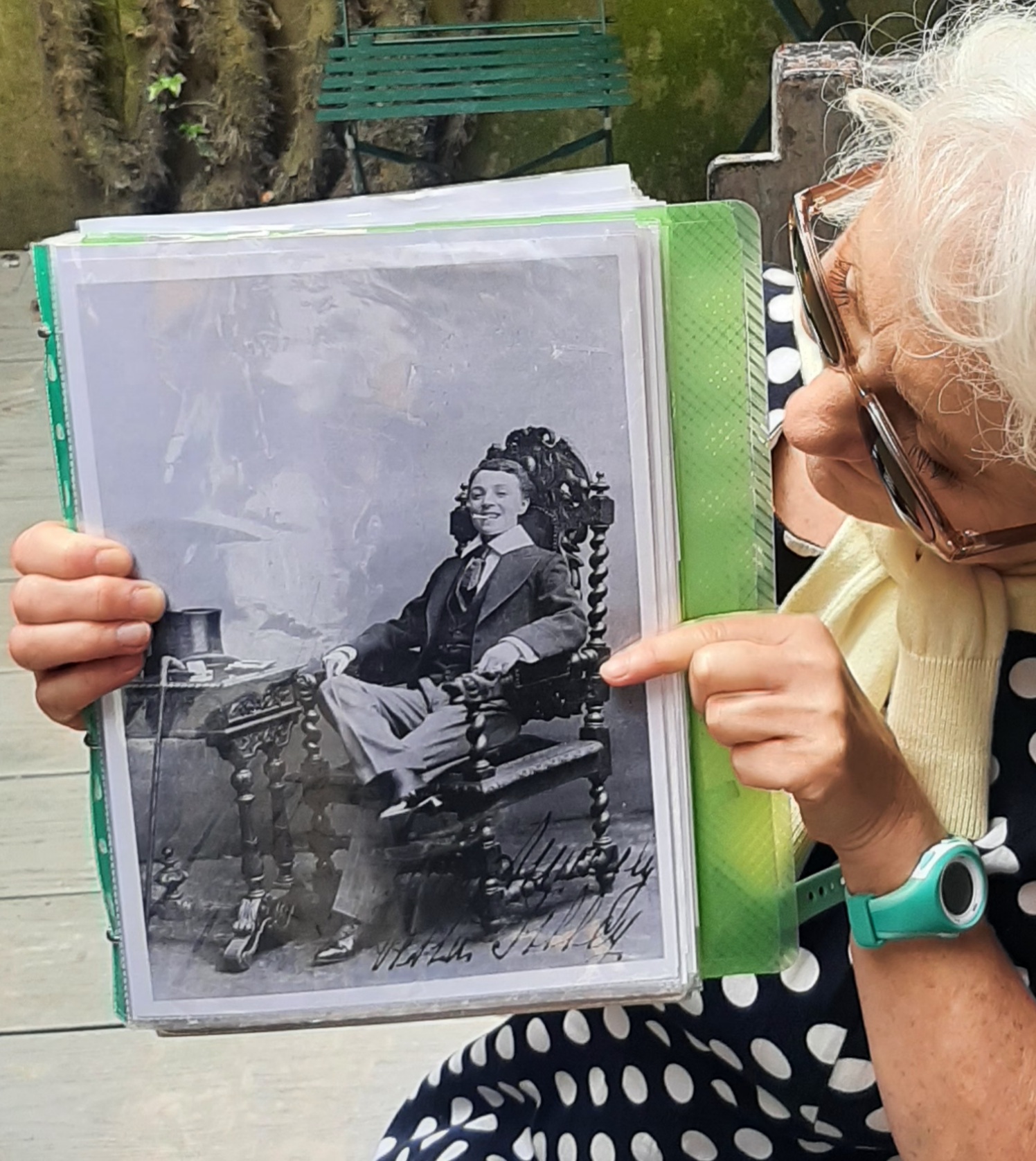
As the Brighton Fringe enters its final fortnight I’ve scheduled some extra Fearless and Fabulous Walks. Join me for an hour and three quarters of gentle ambling as we explore the streets and alleyways trodden by some of the city’s most incredible women from the past. Like cross-dressing music hall star and performer (as well as some time Hove resident) Vesta Tilley (below)
Meet at the Garden Cafe in St Ann’s Well Gardens, Hove BN3 1PL on Saturday 24th (waiting list only), Saturday 31st and Thursday 29th at 10am. Strong tip – arrive with plenty of time to grab yourself a coffee at the fantastic café itself. No finer place to sit on a fine morning in Hove.
Fearless and Fabulous Women of Brighton
Meet outside St Nicholas Church in the Churchyard itself. Sunday May 25th at 10am (waiting list only) AND 1.30pm on the same day. Sunday 1st June at 10am AND 1.30pm. Tuesday 27th May at 6pm (waiting list only)
Fearless and Fabulous Women of Kemptown.
I’ve promised several people the Kemptown version in June or early July. Watch this space!
Fabulous tales (and possibly a bit of rain, but we don’t mind that, do we?) await!
Thank you to everyone who joined me in Brighton Fringe this year to walk, talk, chat and explore our city’s brilliant women’s history!
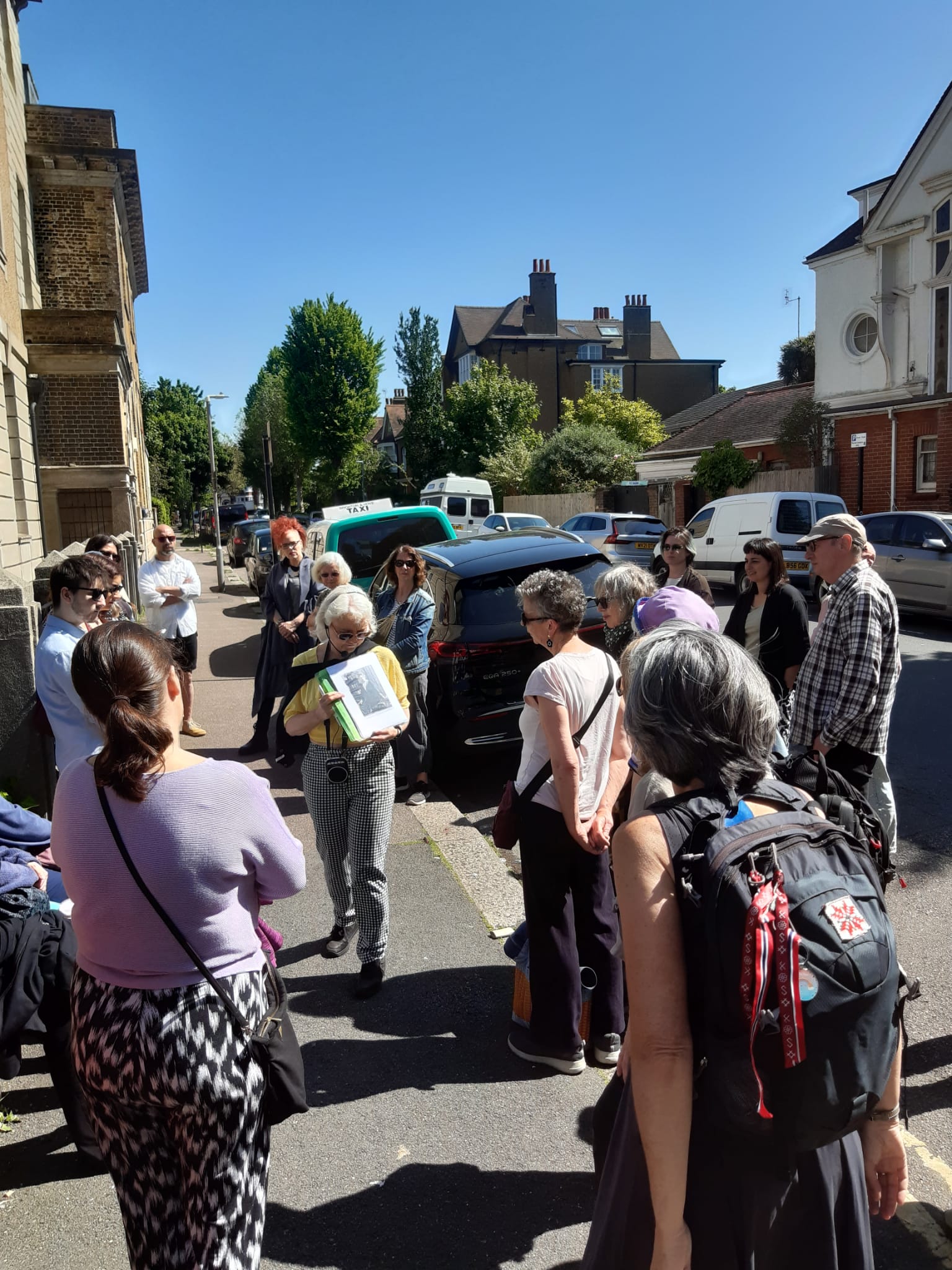
Here I am on a busy walk in Hove, joined by about 28 of you on a beautiful day, finding out about the former New Sussex Hospital for Women and Children on Windlesham Road.
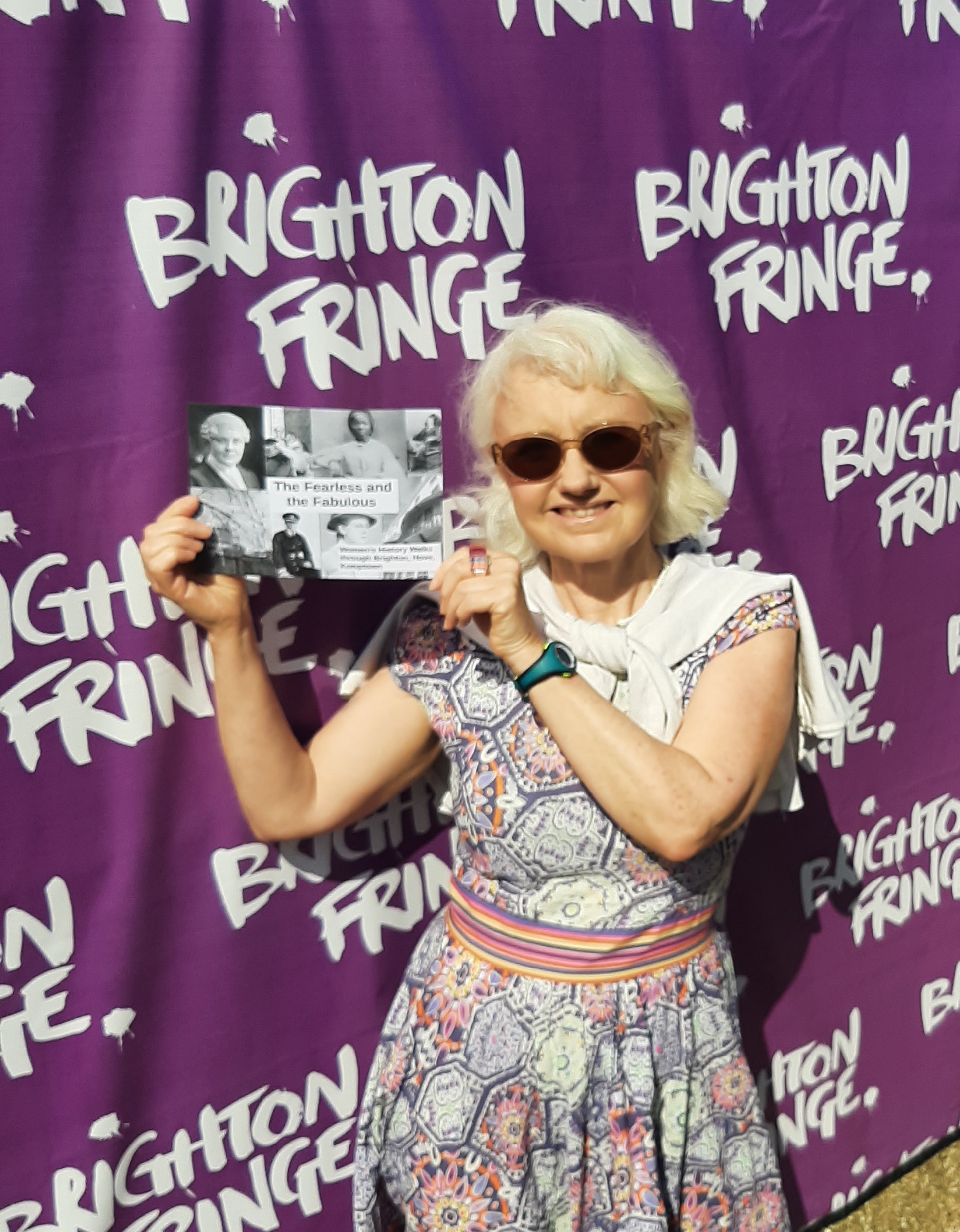
(Photo: Ian Godley) I was really excited to get an email from Brighton Fringe on 31st May – so a couple of days before the end of the festival – advising me that I’d been nominated for an Audience Choice Award: Best Brighton Fringe Event Supported by Chichester Festival Theatre based on the number of five star reviews my walks received. I was very flattered as this is the only award nominated and chosen by the ticket buying public rather than arts industry professionals. Hooray! Here I am at the Awards ceremony on the 2nd June at the Vault, looking triumphant (and relieved. You never really know how much people are enjoying it a hundred per cent), even though I didn’t win.
(Photo: Nimrod Peskett)
Ah well. I’ll have to keep my Oscar acceptance speech for another day 😊
(But if I had given my Oscar acceptance speech I would have totally given it over to Dr Louisa Martindale, Dr Helen Boyle, Margaret Powell, Clara Butt, the Hilton Twins, Martha Gunn, Phoebe Hessel, Sophia Duleep Singh, Princess Omoba Aina and all the other wonderful women whose stories I tell.)
When I started to do these women’s history tours, first in Brighton, then Kemptown, then Hove, I counted myself lucky if more than five people turned up. I would get phone calls ‘is it OK if my husband comes with me? I mean, are men allowed?’. The tours lasted just over an hour and people would say afterwards ‘wow, I’d never heard of any of those women!’ Fast forward 12 years and my tours are almost 2 hours long – and still I only feel as if I’m presenting the tip of the mighty iceberg. Many more women now have blue plaques thanks to the efforts of the Brighton and Hove Women’s History Group among others. Many women I talk about on my walks have become local household names – or, at least, better known. One of them (Mercedes Gleitze, first British woman to swim the Channel) is now the subject of a fantastic, well-regarded feature film! I find that, rather than introducing many of the women to people for the first time, we’re now exploring different angles, talking about what their legacy is, how they changed things generally, their journey towards getting a blue plaque.
There are still a huge amount of women who aren’t as well known as they should be and I’d also like to research the stories of local working women in the past to add to my walks. I have a few ideas about this, so watch this space!
In the meantime, please remember that my three walks are available to book. I’m not scheduling in any walks for the foreseeable future (this may change, watch this space again) but if you have a group – even a very small group of friends/family, etc. – and you fancy your own private walk, please contact me and I’ll see if I can fit you in. I’ve done private walks in the past for a couple of hen nights, birthday parties, work away-days, and groups such as W.I.s and U3As. In a couple of weeks I’m looking forward to doing my third walk for the fabulous people at Connected Brighton. I can offer you weekends, some week days, mornings, afternoons, and evenings. I can customise content, start in a different place, shorten, lengthen and generally tailor to your requirements.
For seated talks I offer ‘Fearless and Fabulous Women of Brighton and Hove,’ ‘Fearless and Fabulous Women of East Sussex’, ‘Fearless and Fabulous Women of West Sussex’, ‘Entertaining Women’, ‘Cooking Women’, ‘Women Warriors’, ‘The Pioneering Women Doctors of Brighton and Hove’, ‘The Story of Brighton Suffragettes’ and ‘Actress, Singer, Suffragette: the Fantastic Story of the Actresses Franchise League’.
Here I am at The Dome in November 2023 with some of my array of Entertaining Women. How many can you spot?
(Photo: Julia Winckler)
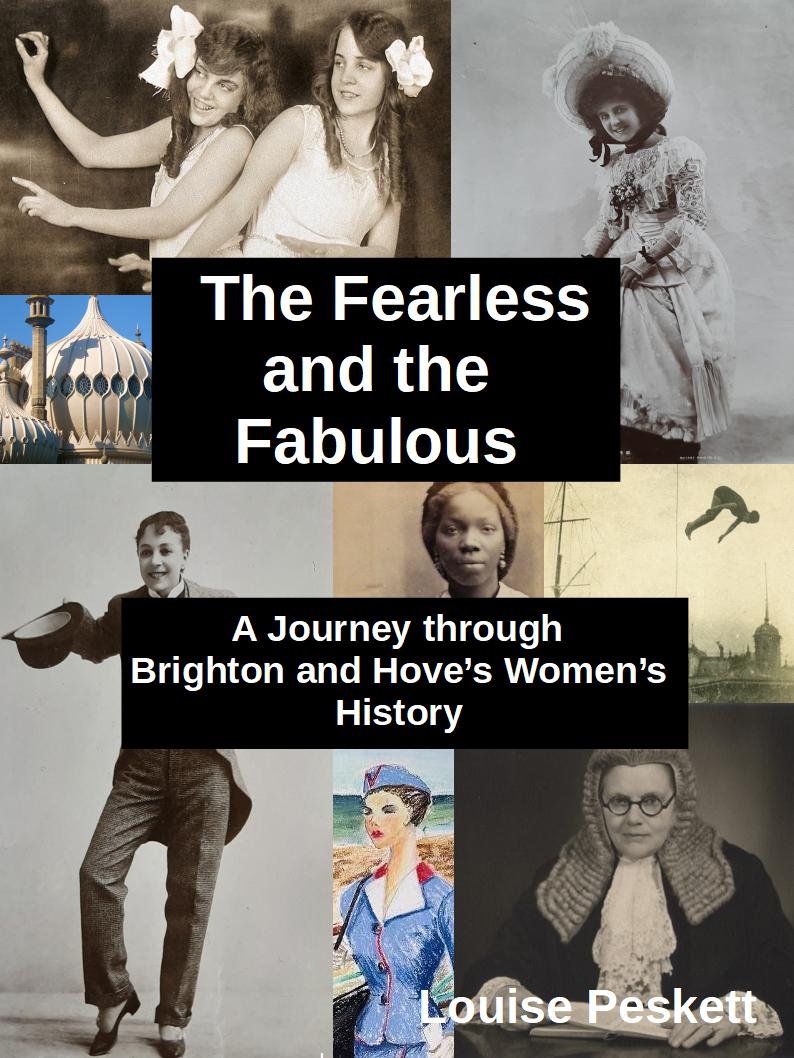
Also, a reminder! If you want to take yourself on a walk or just dip in to some of the stories of our local women, my book ‘The Fearless and The Fabulous, a Journey Through Brighton and Hove’s Women’s History’ is still available at the Royal Pavilion shop, Brighton Museum shop htpps://shop.brightonmuseums.org.uk, Kemptown Bookshop http://www.kemptownbookshop.co.uk, City Books Hove http://www.city-books.co.uk and the Green Room Cafe on Ditchling Road. Or just email me to enquire about postage/delivery on historywomenbrighton@outlook.com
Hope to hear from some of you soon.
In the meantime, I want to say a huge thank you if you voted for me, came on a walk this year, came on a walk any other year, booked me for anything, or are just reading this blog. It’s the best job ever (even if it’s not really a ‘job’ and I can only do it between day job requirements) finding out the stories of our fantastic local women and talking to you about them. Hopefully more will follow Yet again – and you know what I’m going to say here – WATCH THIS SPACE!
This week I was invited onto Brighton and Hove community radio station Radio Reverb to chat to Melita Dennett on the Tuesday Live in Brighton with Melita Dennett show.
It was a great opportunity to spread the word about my Fearless and Fabulous Women Fringe walks and we ended up talking about where I found the stories of the women I talk about (mainly from flaneuring around the shelves of The Keep Local History Centre and allowing my eye to be caught wantonly by bits and pieces. Which is, incidentally, how I came up with this gem of women’s history:
I mean, a seaweed florist, what’s not to love?) Also, people tell me things. Just the other day, someone asked me if I’d heard of Gertrude Leverkus who used to live in Wilbury Villas. To my shame I hadn’t.
Very, very briefly (hopefully more to follow in a future post) Gertrude (1898 – 1989) was a pioneering German-British architect who was involved in converting properties into flats for women in the 1920s for the Women’s Pioneer Housing Limited. In 1931 she was elected a Fellow of RIBA (Royal Institute of British Architects) and was only the second woman allowed to put the initials ‘FRIBA’ after her name. She later worked on the new towns of Crawley and Harlow. I love how links are sometimes thrown up between the women I talk about and I see that Gertrude was involved in the Women’s Provisional Club – a kind of support network for professional women – alongside Brighton’s first female GP and one of my absolute heroes, Dr Louisa Martindale.
Another woman I learnt about in this very same conversation was Elizabeth M Kennedy (1873 – 1957) who became president of the Women’s Engineering Society in 1932 after a distinguished career in the world of machinery manufacturing. In later life she lived in Marine Parade, Brighton.
Melita asked me whether it was easier to find out the stories of women from well-to-do backgrounds. Sadly, this is usually the case. Someone has to write history and the history we have and know is always a collection of stories collated, curated and told by someone or a group of someones, often with an agenda. Until relatively recently, these someones are usually straight, white, moneyed men.
Also, don’t people need time, leisure and connections to make their voices heard?
I did mention that here in Brighton, however, we do have the well-known Martha Gunn.
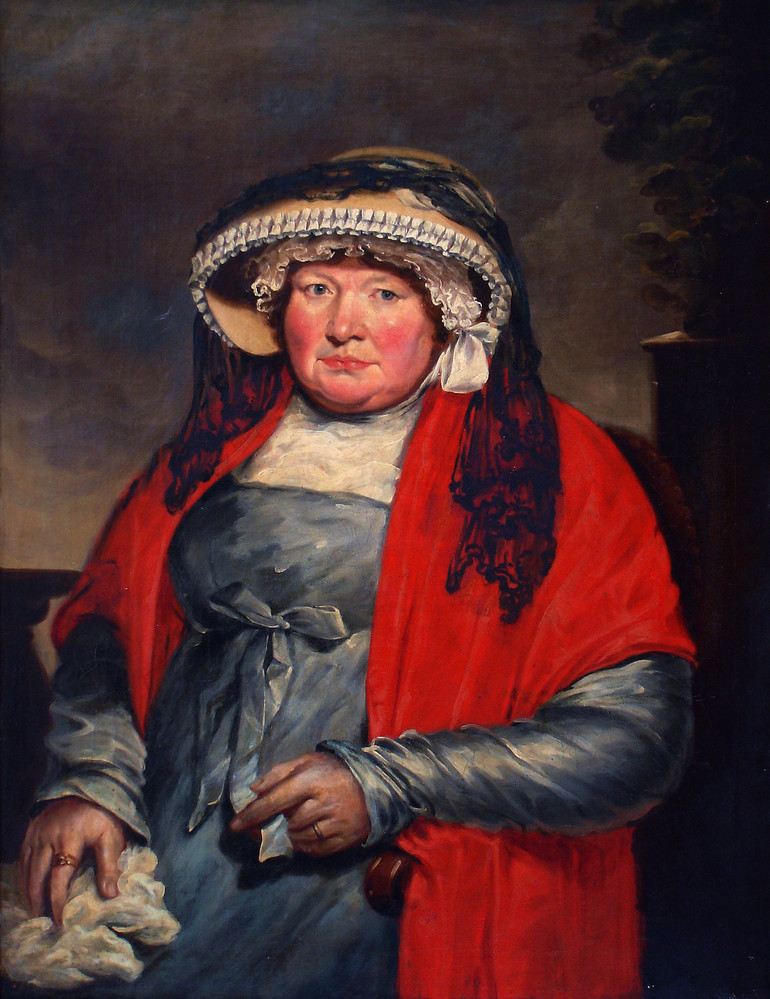
Martha Gunn,Brighton bather. Oil painting, British School, c1790
I absolutely love this picture, today hanging just outside the Local History Gallery in Brighton Museum.
Martha (1726 – 1815) was very much not born with a silver spoon in her mouth. Yet, by her efforts, good ideas and business acumen, she became ‘Queen of the Dippers’, a bathing assistant who dipped women into the sea for their sea-water cure, so successful and coveted she became a sort of emblem of the burgeoning town of Brighton, attracting visitors from far and wide and putting Brighton on the map. Rightfully known today as one of the architects of modern Brighton.
We also have:
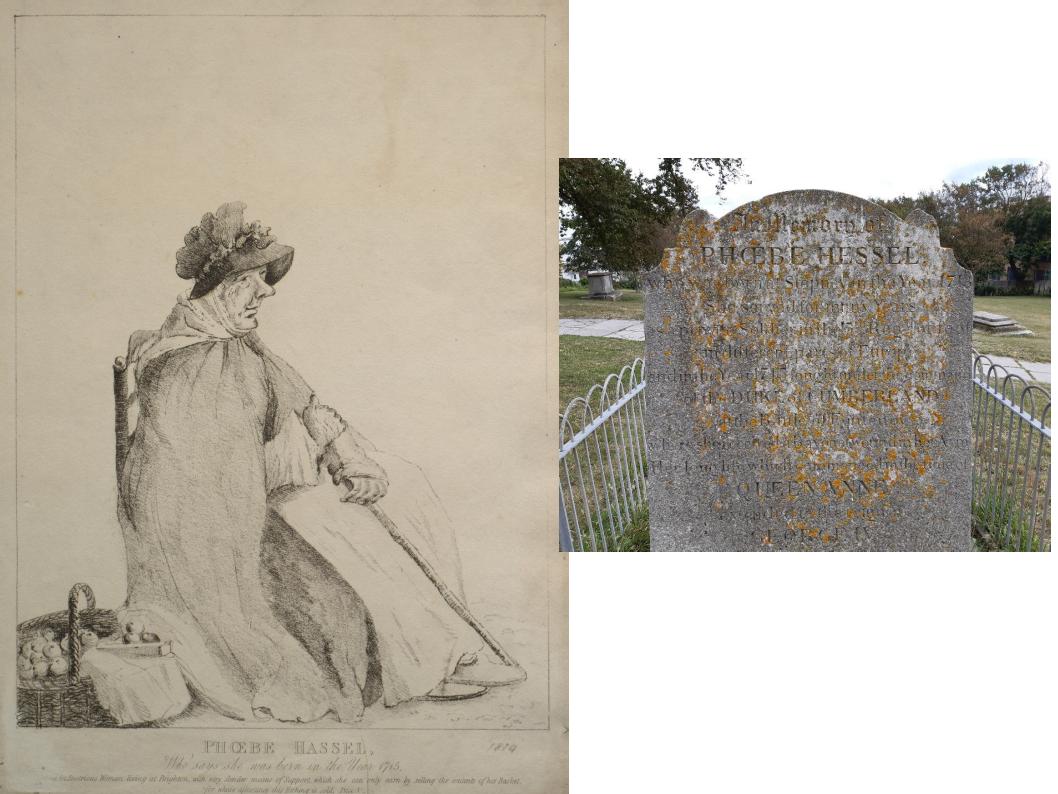
Phoebe Hessel (1713 – 1821 – yes, I know, that made her 108). Famously, Phoebe had a long military career, disguised as a man, fighting with the 5th Regiment of Foot, until an unfortunate bayonet wound picked up at the Battle of Fontenoy, led to her being discovered (I’ve written a longer post about Phoebe. Scroll down if you’re interested).
I went on to chat to Melita about how, when you hear the story of a successful man, it’s always worth snooping around to find out who their mother/wife/sister was as there are often some interesting stories there, with women’s contribution/help/good ideas being overshadowed or written out of the official version of events. For example, a woman I talk about in my Hove walk right at the start in St Ann’s Well Gardens is Laura Bayley:
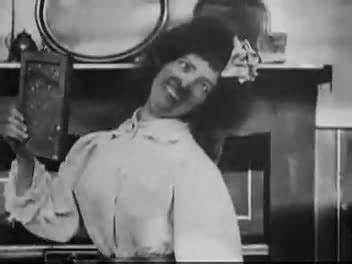
Laura (1862 – 1938) who used to live near Seven Dials, was an accomplished actress, usually working in burlesques and pantomimes. She married Hove film pioneer, George Albert Smith, a huge name in early film, who experimented with techniques such as close-ups and, from the studio he converted from the old pump room in St Ann’s Well Gardens, made landmark early short films. As his wife, Laura played roles in many of them. It’s now believed she also co-produced several. After watching her performances in films such as ‘The Kiss in the Tunnel’ and ‘Mary Jane’s Mishap’ (available on YouTube) it’s clear, however, that her contribution as a comedy actress, her expertise in holding an audience’s attention, and her great charisma are key to the success of the films. Would George Albert Smith now be the great name in early film he is today without Laura’s incredible work? It’s now understood that Laura, so long in the shadow of her husband, directed and wrote films, too. I recommend you take a look at her work. You’ll be spellbound. Laura is also featured in Hove Museum’s cinema gallery.
My interview with Melita is available on line here:
BTW, the non-profit station Radio Reverb is well worth a listen. They have some great shows, speech, music and both, that bring in the whole community – football, Refugee Radio, Brighton Book Club, and more. One I’m really looking forward to listening to later is ‘Currently Off Air’ ‘a mixtape of overlooked, under appreciated, and rediscovered sounds – on the first Sunday of the month at 11pm – midnight. Lots of great music shows too.
So… finally getting to the point of this post at last… My Fearless and Fabulous Women walks for the Brighton Fringe start on Saturday 4th May, beginning with a fully accessible and mainly level stroll around Hove, starting at 10am outside the brilliant Garden Cafe (come early and enjoy one of their brilliant coffees and a cake) in St Ann’s Well Gardens, Hove, BN3 1PR
If full please contact me on historywomenbrighton@outlook.com
See some of you there!
I’d like to say thanks to Melita Dennett and also to Ceryl Evans of the Royal Pavilion and Museums, Brighton for the chat about Gertrude Leverkus and Elizabeth M Kennedy
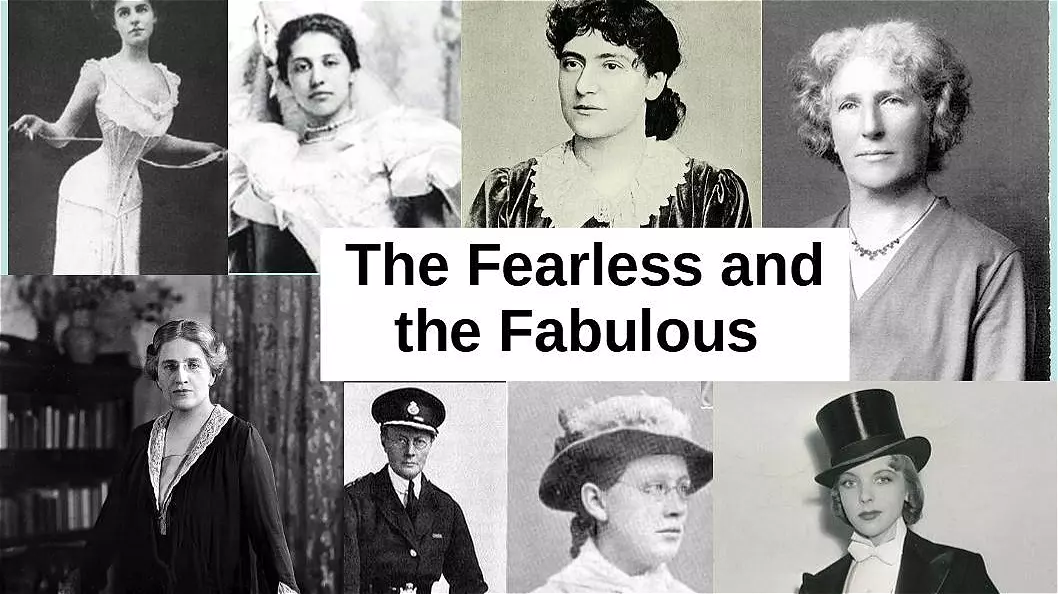
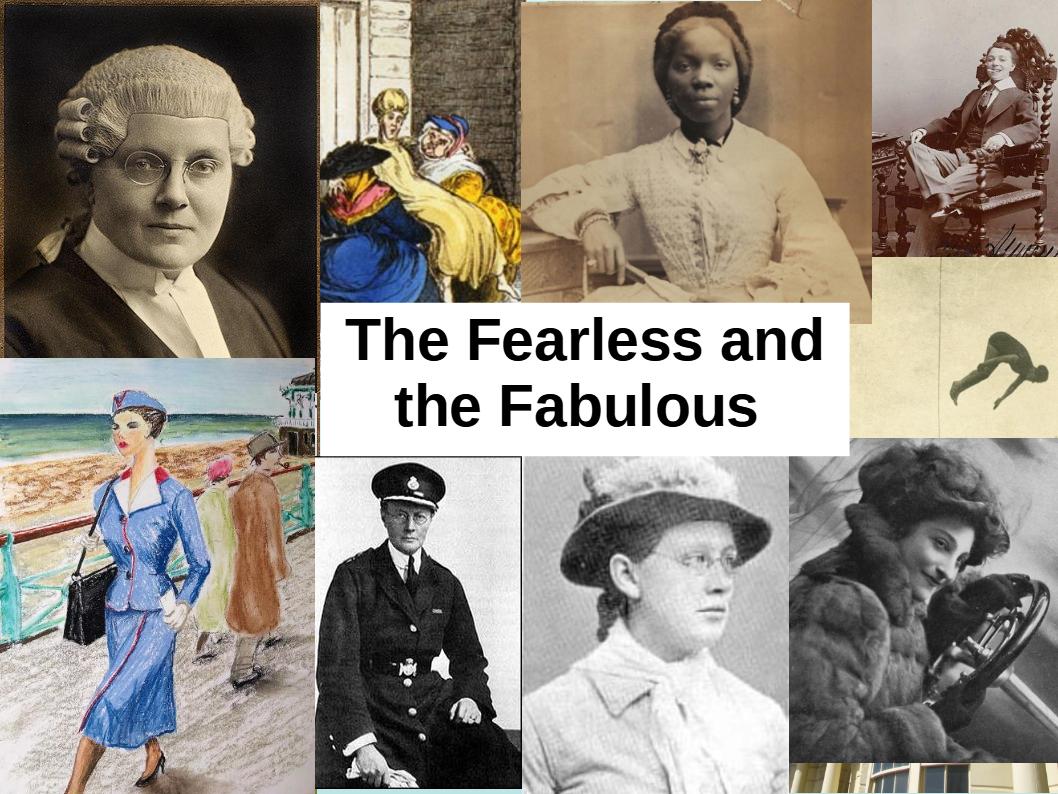
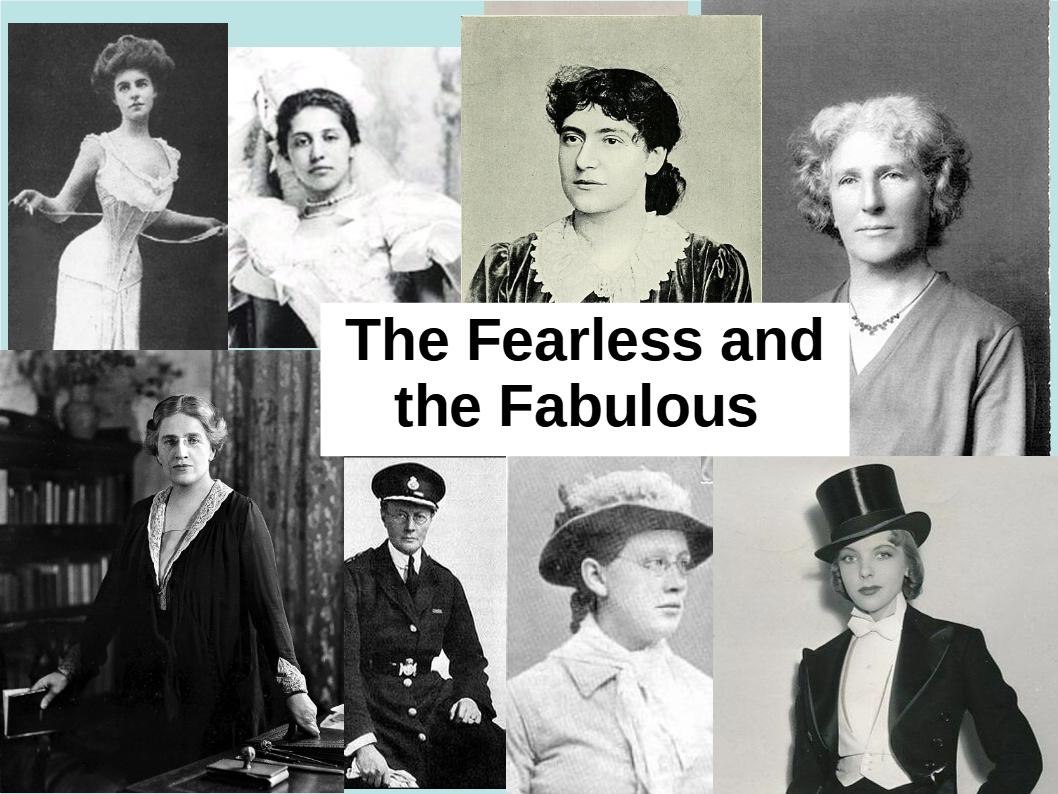
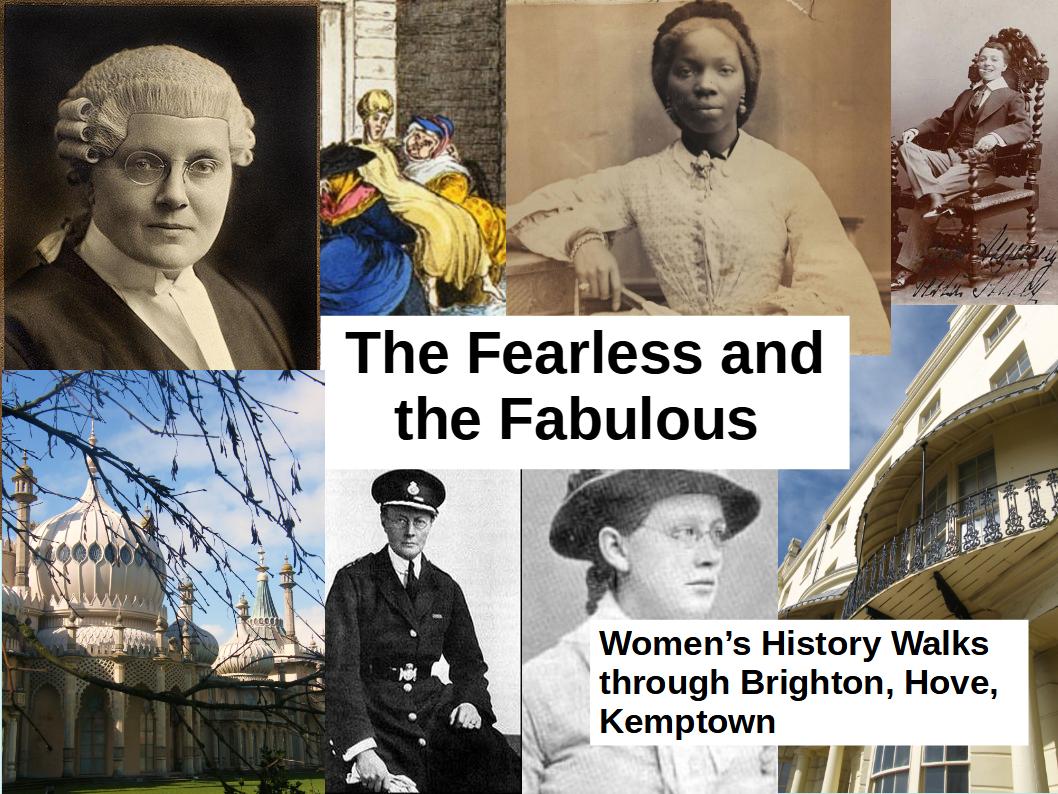
This year I’m re-entering the Brighton Fringe fray with two women’s history walks – The Fearless and Fabulous Women of Brighton and The Fearless and Fabulous Women of Hove.
“From some of Brighton’s first women doctors to suffragettes, entrepreneurs to entertainers, artists, music-hall stars, and campaigners, Brighton & Hove has always attracted women who dare do things differently. Join Louise Peskett, author of The Fearless and the Fabulous, a Journey through Brighton and Hove’s Women’s History on these easy walks to discover the amazing stories of some of the intriguing, adventurous, fantastic, outrageous and scandalously lttle-known female characters of the city’s past.
If fully booked or you’re booking last minute you can contact me on historywomenbrighton@outlook.com to find out whether there are any spaces for walk-ups.
Dates and times, when and where…
Fearless and Fabulous Women of Brighton
Meet St Nicholas Churchyard, central Brighton – Church Street, BN1 3LI
Sunday mornings at 10am on May 5th, May 12th, May 26th and June 2nd.
Thursday evenings at 6pm on May 9th and May 30th
Please note this isn’t a circular walk. It will finish either in the Lanes or on New Road/Pavilion Gardens. If it’s Sunday morning I recommend stopping for a coffee and a rest in the beautiful Pavilion Gardens cafe afterwards. Lots of other establishments close by.
Fearless and Fabulous Women of Hove
Meet at the Garden Cafe, St Ann’s Well Gardens, Somerhill Road, Hove BN3 1RP
Saturday morning at 10am on May 4th, May 11th, May 25th and June 1st
Tuesday evening at 6pm May 14th
Thursday evening at 6pm May 23rd.
Dogs welcome! Babies welcome! Pushchairs welcome! All welcome!
I recommend buying a coffee from the Garden Cafe beforehand if you come on Saturday morning. It’s a lovely place to sit. Or buy one to bring with you.
Please note this isn’t a circular tour. We will finish in Palmeira Square. Plenty of cafes or pubs around there for snacks and a rest.
Need any more information? Contact me on historyywomenbrighton@outlook.com
From some of Britain’s first women doctors to suffragettes, entrepreneurs to entertainers, artists, music-hall stars, and campaigners, Brighton and Hove has always attracted women who dare do things differently. Join Louise Peskett, author of The Fearless and the Fabulous, a Journey through Brighton and Hove’s Women’s History, on these easy walks to discover the amazing stories of some of the intriguing, adventurous, fantastic, outrageous, and scandalously little known female characters of the city’s past. All tours last approx 1 hour, 45 minutes.
May 2022 dates as part of the Brighton Fringe
Fearless and Fabulous Women Women of Brighton
Starts – outside St Nicholas Church, Dyke Road, Brighton, BN1 3LJ
Sunday mornings 8th, 22nd 29t May, and 5th June at 10.00am
Tuesday evenings 10th, 24th May at 6.00pm.
Fearless and Fabulous Women of Hove
Starts – The Garden Café, St Ann’s Well Gardens, Hove, BN3 1PL
Saturday mornings 7th, 21st, 28th May and 4th June at 10.00am
Thursday evening 19th May at 6.00pm
Tuesday evening 2nd June at 6.00pm
Fearless and Fabulous Women of Kemptown
Pop up tours to be confirmed. Please email or call for details.
See The Fearless and Fabulous: A Journey Through Brighton and Hove’s Women’s History by Louise Peskett. For sale at City Books and in the Royal Pavilion and Museum shops. Or contact Louise at the email address above.
The Grace Eyre Foundation help people with learning disabilities in Brighton & Hove and Sussex gain independence, obtain housing, find employment and join activities. They support families, help people to maximise life skills and live independently, and offer courses in sports, arts, health and well being and work training. This dynamic organisation came from the progressive ideas of a Hove born woman, Grace Eyre Woodhouse (1864 – 1936) who swam against the tide at a time when children with learning disabilities were sidelined, institutionalised and kept apart from the rest of society. This is her story:
Grace Eyre Woodhouse was born at Norfolk Terrace and attended Brighton and Hove High School and Lady Margaret Hall at Oxford. As a young woman living in London she became aware of the injustice faced by people with learning disabilities who, at that time, were assumed by the majority of people to be deficient and of no use to society. Eyre Woodhouse was concerned about the poor treatment of children in special schools and despaired that many people with learning disabilities and facing mental health issues could face long periods in institutions, such as mental asylums and workhouses. As early as 1898, swimming against the official tide and far ahead of her time, she started to arrange holiday homes in the Heathfield district, and even her own house in Hove, for London children with special needs. Here they were treated with dignity and helped to access activities, education and training which would enable them to get jobs, homes and take their place in society. Following the Mental Deficiency Act of 1913 which required local authorities to arrange institutional care or guardianship for people considered ‘mentally deficient’ in the terminology of the day, Eyre Woodhouse created the Guardianship Society and started to work with Brighton Borough Council, taking on the supervision of members of the community and placing people with learning disabilities in family homes. In 1914 she created a day-centre in Brighton, considered to be the first in the country, where both children and adults could go to obtain work training and experience while still offering a ‘boarding out’ option where people would live with others rather than in institutions. Other local authorities soon started to take an interest and further day centres and boarding out schemes started to spring up, modelled on Eyre Woodhouse’s successful Brighton operation. The Society in Brighton continued to go from strength to strength. In 1923 Dengates Cottage Farm at Waldron was opened to provide accommodation and farming training for young men. In 1927 a second cottage farm was established in Rotherfield to provide accommodation and training in gardening, rabbit and pig farming. In 1931 two further day centres open in Peacehaven and Heathfield, and an occupation therapy class was established in Haywards Heath. When Grace Eyre Woodhouse died in 1936, the trustees of the Guardianship Society paid tribute to her, saying: ‘Her enthusiasm, her deep sympathy with the afflicted, and her calm determination to do all that was possible for the welfare of those placed under her care, will always be remembered with gratitude by those with knowledge of the magnificent work to which Miss Woodhead so nobly devoted her strength and energy.’ The society she had built up and supported all her life continued to thrive, changing its name to honour its founder in 1988.
In November last year the Society launched ‘Sharing Our Voices’, an exciting new project assisted by the National Lottery Heritage Fund to document its groundbreaking history and plans are afoot to create a landmark oral history collection of people with learning disabilities who have lived in Shared Lives arrangements from the 1950s to the present day. The work of people with learning disabilities, learning key heritage skills, utilising local archives, recording oral history, and creating a performance for the Brighton Fringe Festival in 2021, is key to the project.
At the end of 2019, as well as having just finished a Carol Concert and Christmas Open House of artwork, and putting on The Rock House concert of learning disabled bands at the Green Door Store, the Society was able to celebrate placing 74 tenants into Grace Eyre housing, supporting 113 people in the Shared Lives scheme in Sussex and London, providing activities for 309 people through day centres and projects, helping 209 people to live more independent lives through their supported living and community outreach services and securing funding for people to stage a drama performance at the Purple Playhouse.
Although Grace Eyre Woodhouse died over 80 years ago, she would surely have been proud of the organisation that came from her determination to see things differently and act on her principles that everyone has the right to access housing, work, and the chance to participate in society, and that these ideas have gone from the fringe to mainstream thinking. This leaflet was produced for the Foundation’s Centenary in 2013.
For more information about the Grace Eyre Society and to read a timeline of their history go to http://www.grace-eyre.org/
(The above was written for Brighton Museum and appeared as part of a series of posts celebrating women from Sussex to accompany the landmark exhibition ‘100 First Women Portraits’by photographer, Anita Corbin.
This Autumn I will be doing six events for the Brighton Ageing Well Festival (previously known as the Brighton Older People’s Festival). The Festival, which is about to start on 30th September and runs until 13th October, describes itself on its website as ‘a two week extravaganza packed full of events for you to get to, highlighting the activities going on in our city all year round.’ Talks, walks and other activities aimed at ages 50+.
My events include three gentle 90 minute walks:
‘‘Notorious Women of Hove” on Wednesday 2nd October, starting at 11 from the Garden Café in St Ann’s Well Gardens, Hove.
“Notorious Women of Brighton” on Sunday 6th October, starting at 11 from St Nicholas Church, Dyke Road, Brighton.
And “Notorious Women of Kemptown” on Sunday 13th October, starting at 11 from St George’s Church, St George’s Road, Kemptown.
I’ll also be doing three 60 minute illustrated talks in the café-bar at the Duke of York’s Picturehouse Cinema, Preston Road, Brighton. All start at 3pm. These are:
Thursday 3rd October – “Entertaining Women” – a look at some of the brilliant women from our city who have found fame in the worlds of theatre, music-hall, cabaret, film, TV, soap opera, and music.
Tuesday 8th October, “Pioneering Women Doctors of Brighton and Hove” – a look at some of the early women doctors who came to practise in the city from the 1890s.
Thursday 10th October – “Women Warriors” – a look at Brighton’s Phoebe Hessel and some of the women, like her, who disguised themselves as men and managed to have a military career years before women were allowed to join the army.
What was life like for our grandmothers one and a half million years ago? How did they cope with (ahem, cough, cough) ‘women’s things’ in the days before Always With Wings and TV adverts made us believe that menstruating women suddenly turned into rollerskaters and white jeans wearing disco dancers? It wasn’t until I was asked at the last minute to prepare a talk on the subject of menstruation in the Stone Age recently that I thought I’d better do some reading around it… The event, called ‘Women. Period’, held at Hove’s Regency Town House, promised to reveal how our foremothers dealt with ‘the curse’. It looked at attitudes towards (and some of the names given to) Aunty Flo’s Monthly Visitor around the world, as well as showing a fascinating animated instructional film aimed at young women produced by Walt Disney in 1946, ‘The Story of Menstruation’. Other delights included a look at some…. well, interesting gadgetry our Victorian sisters would have to struggle with during her ‘Lady Time’. Harnesses? Rubber straps? It’s a good job rollerskates hadn’t been invented. As, just the previous week, I’d seen a young woman in a shop visibly cringe while buying a box of Tampax and wondered for the millionth time why, in the twenty-first century, while taboos drop like flies around sex and other bodily functions that used to raise a blush, periods should still be such an embarrassment, this fun and interesting event wasn’t before time. Incidentally, since the event I’ve come across a fascinating article in the Independent (http://www.independent.co.uk/life-style/health-and-families/menstruation-study-finds-over-5000-slang-terms-for-period-a6905021.html) , looking at some of the amazing euphemisms for the time-of-the-month from around the world. Tops for me had to be ‘Der Er Kommunister I Lysthuset’ (‘There are communists in the fun house’ – Thank you, Denmark) and, oddly, from France, ‘Les Anglais ont debarqué’ (The English have landed’)
Then there was me, an absolute Stone Age novice, trying to surmise how things went 2.5 million years ago. I have to say a big thank you to my colleague at Brighton Museum, Su Hepburn, the original guest for the evening, who handed me her notes on this. Su found out that the main difference between Stone Age women and us is that they menstruated far less. Today’s modern, industrialised woman can expect a total of 450 periods in her life compared to perhaps 50 for our Stone Age ancestors. One of the reasons was that girls started to menstruate much later. It’s thought that menarche occurred at the average age of 16 rather than 12 today. Women also gave birth earlier (at 19 rather than today’s early to mid 20s) and had more children (up to about 6 live births per mother). Also, it’s believed that breastfeeding would continue until the child reached 5 (in comparison, the last NHS Infant Feeding Survey revealed only 1% of babies were being breastfed in this country after 6 months). Of course, we can’t be completely accurate with facts and figures when we’re talking about people’s lives in 10,000 BCE, and the term ‘Stone Age’ covers over 3 million years during which time people progressed – in this country, at least – from being wholly nomadic to having the opportunity to live in relatively settled and more hierarchically organised communities, enjoying a more varied diet. It’s generally thought, however, that our ancestors would have had less body fat and could have been deficient in things that keep us healthy today.
What’s certain, though, is that women’s lives were busy and often brutal. Not only was there the average 6 children to think about, the relentless breastfeeding, and, with a typical life expectancy of 40, not so many grandmother figures around to help with childcare, their lives also consisted, according to Rosalind Miles in the ‘The Women’s History of the World’ (1989), of food gathering, hunting smaller prey, instructing children, making garments, cooking, tool making, possibly weaving grasses and other materials to make containers to store and carry food, erecting and pulling down living quarters as they moved to follow harvests and food sources. Although the term ‘hunter-gatherer society’ puts the emphasis on the hunting part of the equation as the most important and difficult contribution made by men, the ‘gathering’, far from the passive picking at berries and leaves it connotes, required enormous skill and great knowledge of what was edible and what to do with it. Ensuring that food was provided for the family every day, not just on the days when animals had been successfully hunted, required climbing trees, digging, grinding, travelling long distances and carrying things back. And it’s thought that women did their share of hunting too, either in their own right or alongside the men.
So, although it probably didn’t come round on a monthly basis, how did our grandmothers manage all this while they were menstruating? Grasses, animal skins, moss, leaves? Practicality-wise, they must have come up with something that allowed them to roam long distances, climb trees, and do everything else necessary for survival. Anthropologists from more recent times have observed hunter gatherer people easily fashioning slings and bags to transport children and foodstuffs. Who’s to say our fore mothers didn’t come up with an early type of sanitary belt, of the type women who went to school in the ’70s and ’80s remember being shown in the sex education lessons as an alternative to the new-fangled adhesive pads? (In my class two girls actually fainted at the sight of the elastic trusses we’d just been told we’d soon be wearing for most of our adult lives. They saved the concept of tampons for another lesson completely) For readers born later, this early Kotex advert shows what I’m talking about…
These women would have had to figure out a way of transporting their babies as they worked, so why not use the same technology? As Rosalind Miles says ‘it is difficult to avoid the conclusion that the women capable of bringing the infant human race forward into the future could also have found the way to deal efficiently with their own bodies’.
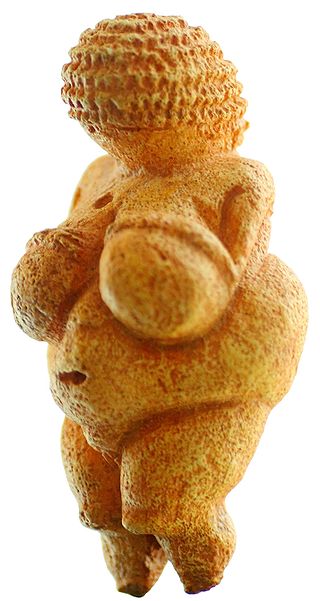
A clue to how women may have been seen at this time could come from the many so-called ‘Venus’ statues dating from the period found by archaeologists in Europe. These figures, as shown in the image at the top of this post, appear to be representations of women. Around 150 of them have been found, mainly around areas thought to have been occupied by Stone Age settlements, both open-air sites and in caves. They’re usually small – the most famous one, found in Willendorf, Austria in 1905 (below), and dating from 25,000 BCE, is only four and a half inches tall. Most are lozenge shaped and have scant facial features, yet large breasts, big bellies, and sometimes prominently displayed genitals.
Many suggest that they could have been painted red originally. As obesity wasn’t commonplace at the time, it’s been suggested that the full bellied figures represent pregnancy with the red colour perhaps symbolic of menstrual blood or childbirth. Their purpose is unknown. Maybe they were made as an appeal to, or celebration of, fertility. Maybe they symbolised abundance and hope for longevity, survival, and success. The statues suggest, however, that the people investing time and resources to their creation understood and had awe and respect for this side of womanhood. Or could they have been made by women themselves? In the days before mirrors, the statues could have been a good attempt at self depiction. Women readers, the next time you’re naked, look down at your body and you’ll recognise the sloping of the breasts and the tummy, as well as the lozenge shape as your body tapers to your feet. Could they even be some of the first examples of women’s art?
Here in Brighton we have one of Britain’s earliest Stone Age monuments in the Whitehawk Camp, dating from 5,500 years ago (predating Stonehenge by 1000 years). There’s lots of information on the Brighton and Hove City Council website here: http://www.brighton-hove.gov.uk/content/leisure-and-libraries/parks-and-green-spaces/whitehawk-camp
And here’s a link to the 10 minute film ‘The Story of Menstruation’ produced in 1946 by Walt Disney. It was commissioned by the International Cello-Cotton Company (now Kimberley-Clark). It was part of a 1945 to 1951 series of films that Disney produced for American schools. Inducted last year into the American National Film Registry due to its cultural importance, it’s believed to be (according to Wikipedia) the first film to mention the word ‘vagina’, and, as part of its advice, urged women not to shower in water that was too cold or too hot and to ‘avoid constipation and depression, and to always keep up a fine outward appearance.’
Happy birthday to the Bodyshop, a female-fronted, local company who, this year, is celebrating its 40th year. Started in 1976 by Littlehampton born Dame Anita Roddick, its first premises was a small shop in Brighton’s North Laine, from where it didn’t take long for its ethically produced skin and beauty products to carve a niche for itself, as well as fill every teenager’s bedroom with the scent of coconut hairgel and Dewberry perfume. Although the company was taken over by L’Oreal in 2006 ,Anita Roddick is rightly remembered as a fearless entrepreneur who brought fairtrade and products not tested on animals into the mainstream and showed that business can have morals.
But 20 years before our high streets started to be populated by those well-known green facades, another company was prioritising animal welfare, and at the helm, another pioneering woman with Brighton and Hove connections.
Beauty Without Cruelty, a company still supplying cruelty free cosmetics today was founded in 1963 by the trustees of an animal welfare organisation of the same name. The original driving force of the cosmetics arm was Kathleen Long, an animal welfare activist who, with Noel Gabriel developed the first line of revolutionary cruelty-free products. When Kathleen died in 1969, one of the trustees, Lady Muriel Dowding, who in her later years relocated to Hove, came to the rescue and, under her energetic leadership, the company grew and flourished.
Muriel Dowding, born in London in 1908, was an intriguing, committed woman, who according to her obituary in The Independent newspaper in 1993, ‘didn’t allow anything that might help the plight of animals escape her attention’. At one time she was vice-president of the Royal Society for the Prevention of Cruelty to Animals and president of the National Anti-Vivisection Society. At the helm of the Beauty Without Cruelty campaigning organisation, she worked tirelessly to make people aware of the unsavoury, animal derived ingredients in their everyday products – whale oil in lipstics, for example, and civet in perfume. Hard to imagine in our better informed days, but in the 1950s and ’60s most consumers would have been unaware of the ingredients in their everyday face soaps and shampoos. Muriel’s work to increase awareness created an unprecedented demand for an alternative. The Beauty Without Cruelty cosmetics brand, like Bodyshop, offering people an easily obtainable and cheap alternative to the mainstream, enjoyed a particular heyday in the 1960s when the colourful nail varnishes and eye shadows gained celebrity followers such as popular model, Celia Hammond. Similarly, at a time when a fur coat was the must have fashion statement for the wealthy, Muriel would organise fake fur fashion shows to demonstrate, as her brand outlined, that cruelty need not be a by-product for beauty.
Muriel was also no stranger to unconventional ideas in her personal life. A committed spiritualist she met her second husband, Air Chief Marshall Sir Hugh Dowding, one of the architects of the Battle of Britain, when, knowing he shared her views, she asked him to contact her first husband, Jack Maxwell Whiting who had gone missing in action over Denmark in 1944. Following their marriage in 1951, Sir Hugh, already a vegetarian and anti-vivisectionist joined Muriel in her work to prevent animal suffering. Apparently, the house the animal loving pair shared in Tunbridge Wells, became a sanctuary for stray animals and the two became notorious for putting on lavish Sunday lunch parties to show people how tasty vegetarian food could be. Muriel’s obituary published just after her death in Hove in November 1993 notes that she was ‘ a warm, open-hearted character with a larger than life personality and sometimes uncompromising opinions.’ It paints a picture of a committed woman who threw herself wholeheartedly into the cause she believed in. She remained director of Beauty Without Cruelty until 1980.
I suppose you could say that, coming to live in a Hove nursing home towards the end of her life, Muriel only qualifies very slimly for a place in the Brighton and Hove Historical Women’s Hall of Fame, but as our city’s past is bursting with women who pioneered new ideas and stood up for their views, however unconventional, Lady Muriel Dowding, has found the perfect home.
by Herbert Rose Barraud, published by Eglington & Co, carbon print, published 1889
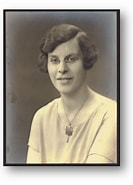
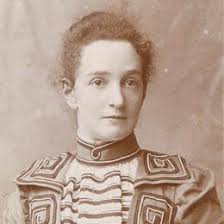
One week to go before my first ‘Notorious Women of Hove’ walk and I’m still marvelling at the incredible number of Hove related women who’ve made their mark on the world. Given that I’m supposed to be planning a nice one and a half hour amble rather than a full day’s trek, I’m having to make hard decisions about which of the pioneering doctors, surgeons, educators, suffragettes, poets, singers, social campaigners and plain, old-fashioned trouble-reapersto include and which I can only give a cursory mention to? One woman I definitely want to tell people about is Alice Ann Cornwell (above) who came to live in Palmeira Square in the early 1900s. Hardly a house-hold name, Alice’s list of achievements is impressive: industrialist, gold-miner, entrepreneur, newspaper proprietor and, ultimately, the originator of the Ladies Kennel Association.
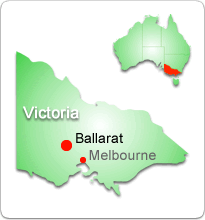
Born in Essex in 1852, Alice spent most of her childhood and teenage years in New Zealand. She returned to England in 1877 and showed great promise as a musician, training at the Royal Academy of Music and composing music and songs. Finding out that her father, now a gold prospector in Australia, was in financial trouble, however, she abandoned her music career in order to help him. Once back in Australia, Alice took a practical course of action: she decided to study geology and mining. Unafraid to get her hands dirty, Alice often rolled up her sleeves up and got involved in the hard and dirty work of mining itself. Women weren’t as rare in the mid to late nineteenth century Australian goldfields as you might imagine. The 1854 census of the Ballarat goldfields in Victoria, where Alice worked, revealed 4,023 women compared to 12,660 men living on the ‘diggings’, with five percent of them single.
Whether these women were wives of miners or mining themselves, it was far from being an easy life. Intensely hot summers, freezing cold winters, lawlessness, little, if any, infrastructure or facilities, the remoteness and lack of transport meant that in some of these communities minor illness or pregnancy could be death sentences. A woman by the name of Ellen Clacy wrote these vivid observations of life on the Victoria goldfields in 1852: “Night at the diggings is the characteristic time: murder here-murder there- revolvers cracking-blunderbusses bombing-rifles going off-balls whistling-one man groaning with a broken leg…..Here is one man grumbling because he brought his wife with him, another ditto because he left his behind, or sold her for an ounce of gold or a bottle of rum. […] In the rainy season, he must not murmur if compelled to work up to his knees in water, and sleep on the wet ground, without a fire, in the pouring rain, and perhaps no shelter above him more waterproof than a blanket or a gum tree…..In the summer, he must work hard under a burning sun, tortured by the mosquito and the little stinging March flies…..”Despite these hardships, Alice worked hard and struck gold. So much gold that soon she was able not only to sort out her father’s hardships but make an excellent living for herself too. With her business-mind swinging into action, Alice quickly established a company that was floated on the London Stock Exchange. Fantastically wealthy, shrewd, and with a big personality to match, Alice was soon a celebrity, dubbed the ‘Lady of the Nuggets’, even, in 1888, inspiring a novel, ‘Madame Midas’ by Fergus Hume.
Back in London with her fortune, Alice turned her mind to other business opportunities. In 1887 she bought the ailing Sunday Times and, installing her fiance, Frederick Stannard Robinson, as editor, managed to quadruple circulation. In 1894 she founded the Ladies Kennel Club. This organisation, still going strong today, describes Alice as ‘formidable’ on their website. She set up the organisation ‘in defiance of the gentlemen of the Kennel Club of the day’ with the aim to put on dog shows ‘run by Ladies for Ladies’. Unusual for the day, its offices were staffed entirely by women. Cats got a look in too, as Alice later became involved with the National Cat Club, as well as the International Kennel Club.Widowed in 1902, Alice settled in Hove where she bred pugs until her death in 1932. Despite making huge strides in worlds only sparsely populated by women, a New Zealand newspaper, the Otago Witness, chose to focus more on her looks in an 1889 profile: ‘Miss Cornwell is, if not a prepossessing woman, at least not unhandsome. Her face and features somewhat irregular and undefined, it is true, harmonise well with her symmetrical and well defined picture.‘ I’d like to think that ‘formidable’ Alice Cornwell was too busy to let this bother her.
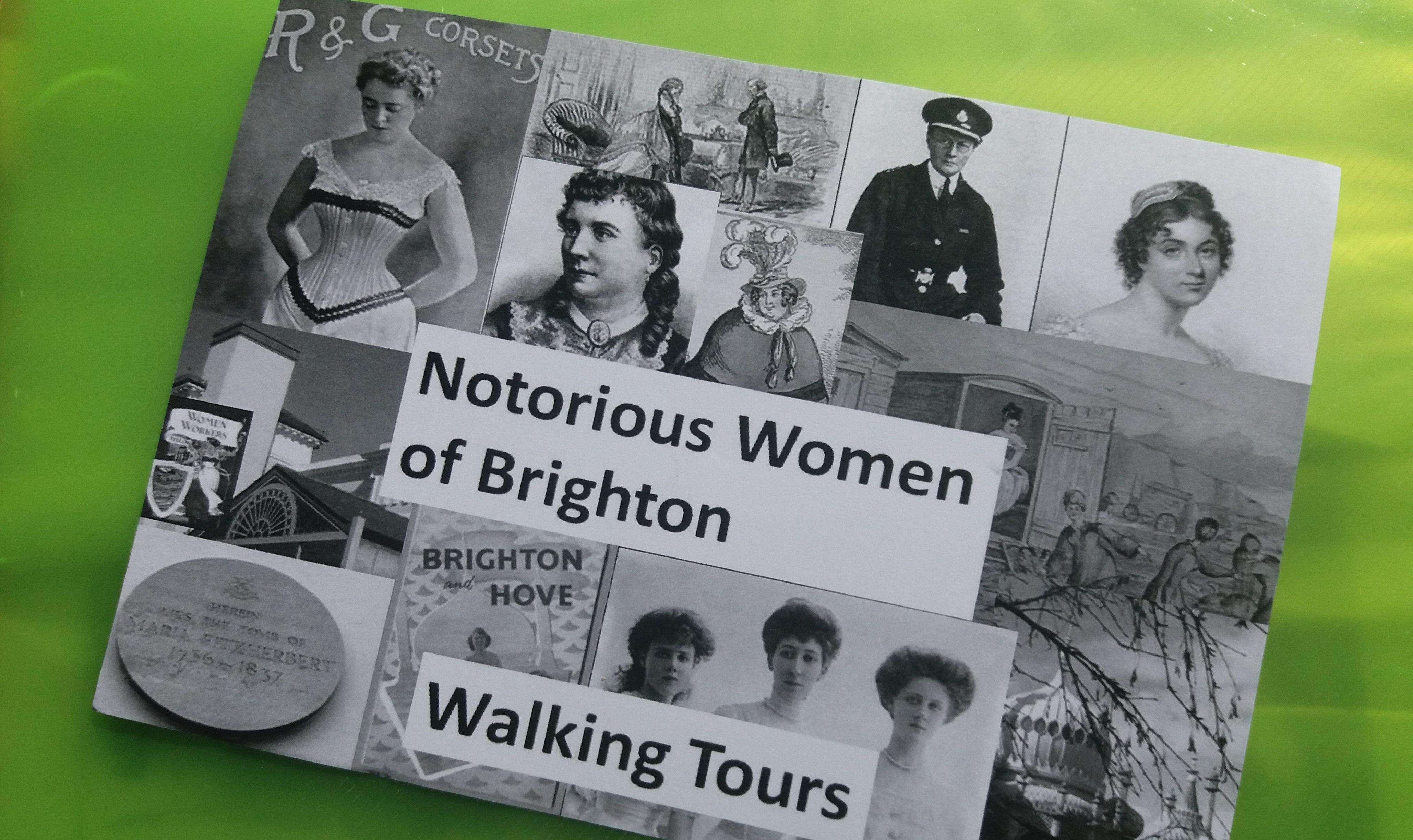
Notorious Women of Hove – guided walk during the Brighton Fringe Saturdays 30th April, 7th May, 14th May, 28th May, 4th June at 10.30 a.m from the café in St Ann’s Well Gardens, Hove. Thursday evening 12th May, Tuesday evenings 17th May, 31st May at 6.30 p.m from the same place.

















 historywomenbrighton