Harriette Wilson – Modern Girl

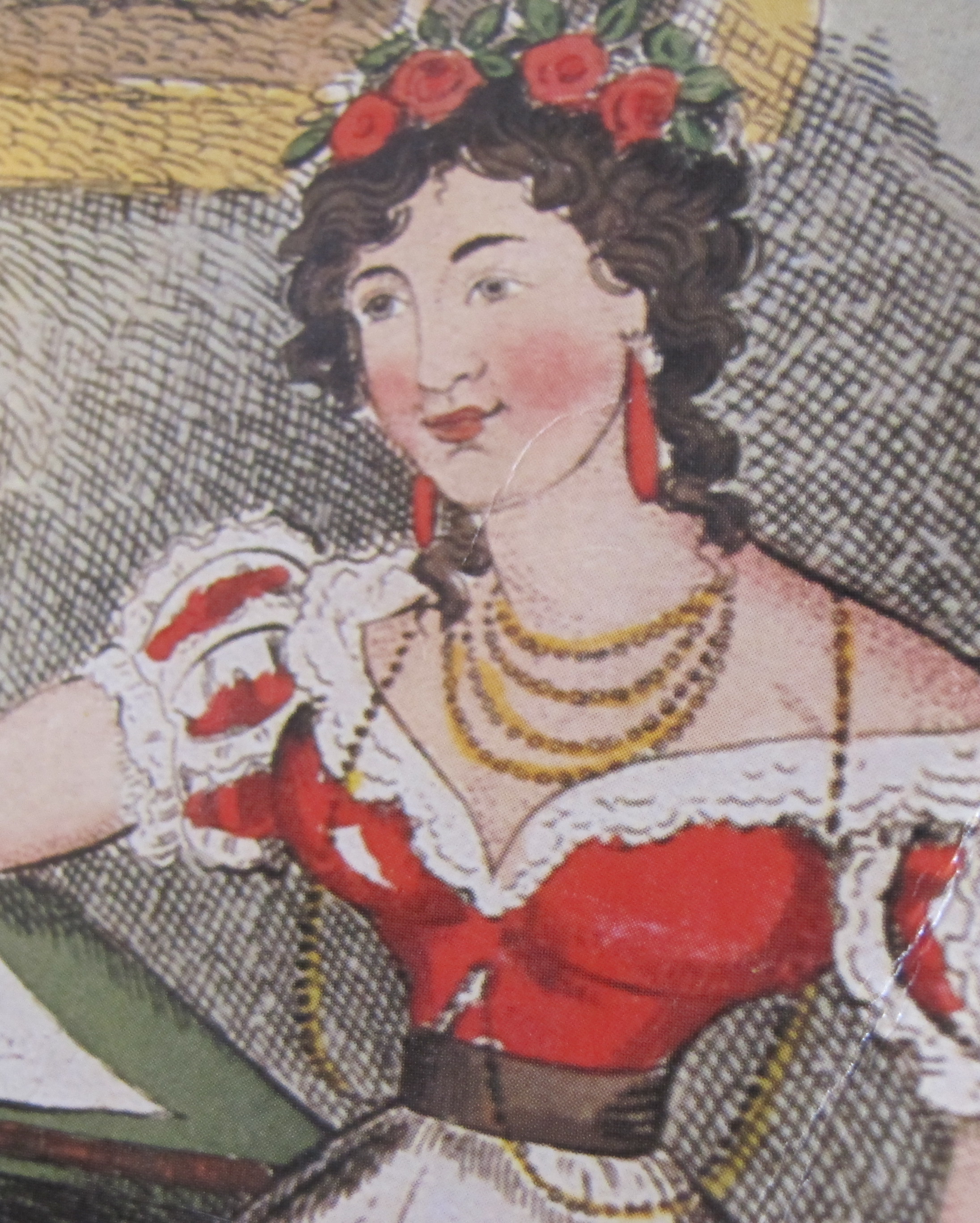
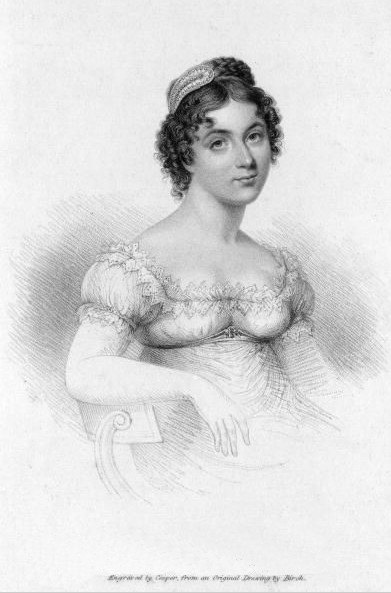
When planning my walking tours, I always over-plan to a ridiculous degree and end up trying to include far more women than it’s ever possible to talk about in an hour and a half.  I always have a few ‘spare’ women in my file should I zip through fast and end up with nothing to say (never happened), leaving me with the problem of having to choose which women to mention and which to leave out. I suppose it’s a bit like the dreaded PE lesson team pick at school.  Remember standing in a line in the changing rooms while the ones who were good at sport picked people out for the netball team?  Always being the last one to be picked, this was never fun for me.  But I’ve just realised being the picker isn’t that easy either.   This year, I found myself constantly leaving out one of my favourite women with links to Brighton.  The least I can do is introduce her here…  So welcome, and apologies it’s taken so long, to Harriette Wilson (1786 – 1845), the most dazzling courtesan of the Regency era, a woman who captivated, charmed and dazzled her way to the heart of fashionable society, only to shock, anger and terrify her way back out again.  
Image     

‘I shall not say how and why I became, at the age of fifteen, the mistress of the Earl of Craven.’ Begins the first page of her Memoirs.  ‘Whether it was love, or […] the depravity of my own heart, or the winning arts of the noble Lord, which induced me to leave my paternal roof and place myself under his protection, does not now much signify…’  From the first paragraph we know this isn’t just another staid celebrity biography. ‘I resided on the Marine Parade at Brighton…’ she informs us next and goes on to describe how the ‘winning arts’ of paramour Lord Craven have now dwindled to an annoying habit of drawing cocoa trees for her entertainment. ‘It was, in fact, a dead bore.’ . She moves on to an unflattering description of his choice of sleepwear.  ‘Surely, I would say, all men do not wear those ugly cotton nightcaps; else all women’s illusions had been destroyed in the first night of marriage.’  This voice, frank, dry, knowing, allows us to see why Harriette was, in the sprawling, sparkling Regency demi-monde at least, one of the most feted women of her age. 

Far from being prostitutes, courtesans like Harriette weren’t coveted for their sexual availability alone, but for their company, their style, and the cachet they would bring to a man’s reputation. Only the very wealthy could afford their company. For the Regency gentleman around town, having Harriette on your arm would scream Rich! Powerful! Virile! – an early nineteenth century equivalent of dangling the keys to a Ferrari in your friends’ faces. The most successful courtesans were clever, accomplished, witty, able to hold their own in conversation, a sort of alpha girlfriend who charged for her time.  For a man in pre-Victorian, anything-goes London, there was nothing seedy or shameful about being seen at the opera with a woman like Harriette and, unlike women, men could slip easily between the above-board world of the respectable married family-man and the rowdy, gossipy, heavy drinking and gambling milieu of the dandies. Lesley Blanch writes in her introduction to Harriette Wilson’s Memoirs (Century, 1985) ‘The courtesan was expected to provide all the shades of companionship without the oppressive limitations and implications of marriage.  She offered not only the bed but the sofa, the dinner-table and the salon – all save the nursery and the kitchen.’ So, all the fun of a relationship without the hard bits.   Many courtesans were relatively high born but were simply surplus daughters or had disgraced themselves out of the marriage market in some way.
Image


Harriette had had a boarding school and convent education. Twice she attempted to hold onto a proper job as a music teacher in elegant girls’ boarding schools. Twice she ran away, finding the governess’s life deadly dull. The second time she came home after her career at a school in Newcastle upon Tyne stalled, her father beat her. Faced with the option of a life of ‘crippling dullness’, she took her life into her hands and left home, Lord Craven providing a convenient if dull launchpad.
You can see the attraction at a time when the main options for women in Harriette’s position were either to become a stay-at-home wife for a husband chosen for you or a governess (a job that enjoyed no esteem, respect or rights). If you played your cards right as a courtesan and attracted the right man, you could command a lavish lifestyle. Clothes, jewellery, appropriate accommodation at a fashionable address, the latest carriage, even a pension could be forthcoming. Unlike prostitutes courtesans never solicited, they were sought after and prospective suitors of Harriette were rigorously ‘interviewed’.
One man who – initially – didn’t make the grade was George, Prince of Wales, the future Prince Regent. Harriette approached him during that first stay on the Marine Parade while the Prince was in town visiting his Marine Pavilion, the predecessor of the Royal Pavilion. ‘I wonder, thought I, what sort of a nightcap the Prince of Wales wears…’ she tells us. ‘A sheet of paper, covered with Lord Craven’s cocoa trees, decided me…’ She began a letter to the Prince. ‘I am told that I am very beautiful., so, perhaps, you would like to see me […] if you believe you could make me in love with you, write to me…’ Amused, the Prince wrote back suggesting a meeting in London. This wasn’t good enough for Harriette. ‘Sir, to travel fifty-two miles, this bad weather, merely to see a man […] would, you must admit, be madness, in a girl like myself, surrounded by humble admirers…’ she wrote in response. ‘…if you can do anything better , in the way of pleasing a lady, than ordinary men, write directly: if not, adieu, Monsieur le Prince.’
History hasn’t recorded what the Prince, the most eligible bachelor in the country and not used to having women turn him down, said upon receiving Harriette’s snub.
The most shocking thing that Harriette did, however, came much later. In 1825, about to turn forty, she found her fortunes fading. Many of the men who had in the past promised her a pension as part of the deal had conveniently forgotten about her. At her wits’ end, she hit upon a way to make them pay up. She’d write her memoirs. And she’d hold nothing back. She’d give the men concerned notice and if they were worried about the most minute details of their relationships with her being made public, well, they could pay to be missed out. Why not? She’d lived by putting a price on her attractiveness, so why not now charge for her discretion too? The Henry Heath cartoon below shows what happened…
hw cartoonis
A positive stampede of men, wanting to pay the £200 the publisher was charging to ensure anonymity. Barricades had to be erected outside Stockdale’s the publishers to keep them at bay. The Memoirs were published in sections so men would have known when their shaming was nigh. It was one thing being linked to Harriette in the past but no one wanted the warts-and-all details of their relationship with her revealed for all the world to know. ‘Push any man into the streets in his dressing gown and nightcap and he will be laughed at,’ explained the London Magazine. Famously, the Duke of Wellington refused to have anything to do with it, declaring ‘publish and be damned!’ Consequently the hero of Waterloo does not emerge well from the Memoirs. ‘Rather like a rat-catcher’ is how Harriette describes his looks, and his pillow talk was ‘like sitting up with a corpse’. What Harriette did, having played power games with men all her life, was to snatch it back – and how – in the world’s first ever kiss and tell. Harriette grew rich, making ten thousand pounds out of her Memoirs, which were a best seller for years (before the Victorians relegated them to the top shelf). But she was never forgiven. When she returned to London in 1830 (she’d been living in Paris) the city cut her dead. The price of playing the men at their own game? At the time, for a woman to write frankly and unashamedly about sex – and then to do well out of it – was considered depravity of the worst type. If she’d been born today she’d probably be at the helm of an incredibly successful business. For pluck and entrepreneurial skills, for sticking to her principles, even if they were vastly different from the ones of everyone else at the time (and simply for telling the most eligible man in Britain she couldn’t be bothered to see him because the weather was bad), I think Harriette deserves the title Most Notorious Woman of Brighton.

Mercedes Gleitze – Brighton’s Champion Swimmer

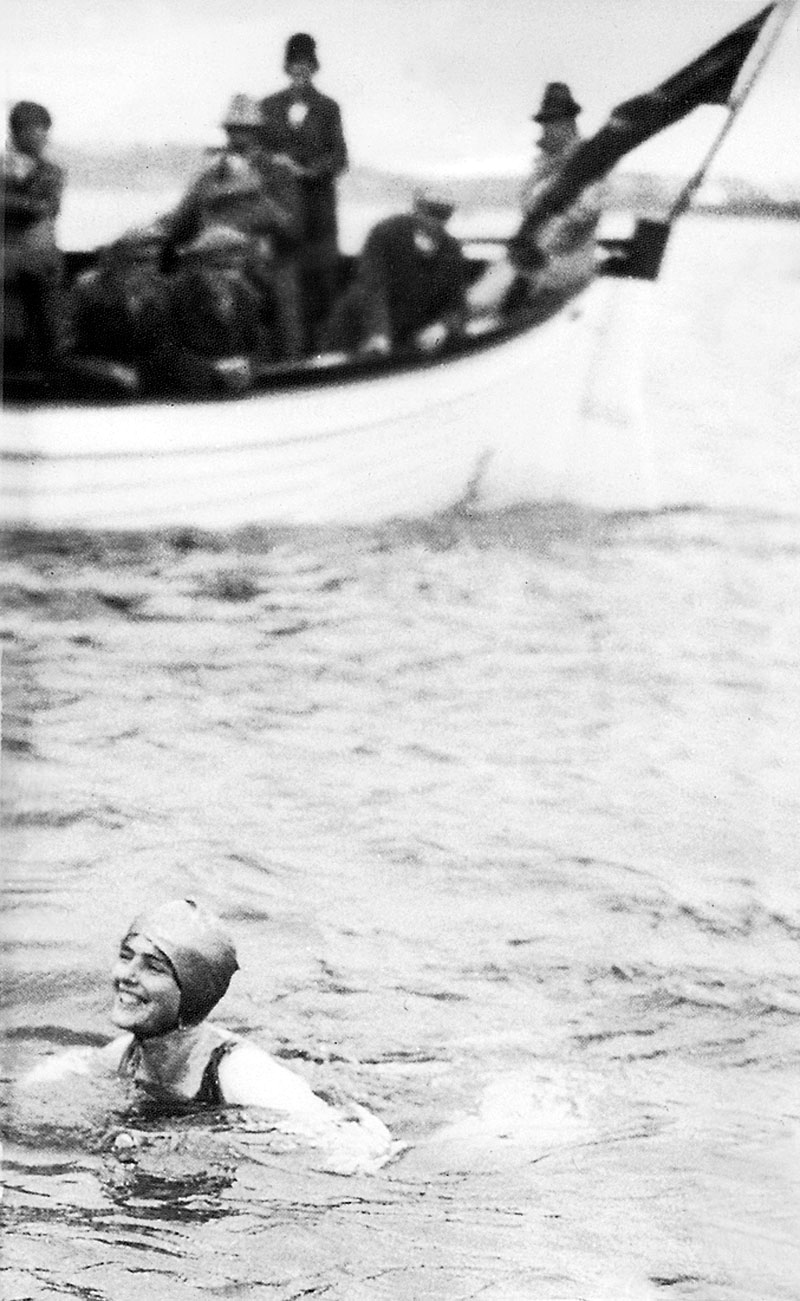
As my Notorious Women of Brighton/Kemp Town walks wind down for another year, I’ve come to realise that one of the things that make them fun for me is the people I meet.  I just love to have a chatty group.  Really, the noisier the better.  If you want to add things, ask questions, pull me up on something you think isn’t right, scream, shout, laugh, just go ahead.  There’s nothing trickier for a tour guide than a sea of blank faces giving nothing away.  And I love talking to people as we move from place to place.  This year I have had a very vocal dog who barked when I stopped for more than 10 minutes (a handy way of knowing when I was starting to go on a bit too long), a cabaret dancer, a synchronised swimmer, an escapologist’s assistant, a man who remembered seeing Laurel and Hardy at the Hippodrome, and a wife sales expert (of the historical nature, I should add).  I enjoyed chatting to the synchronised swimmer.  She told me that she goes swimming in the sea from Brighton beach every Sunday afternoon, regardless of the weather and the season.  ‘With a wet suit?’ I asked. She looked at me as if I’d suggested she swim in a Mickey Mouse costume and said ‘of course not!’ Come to think of it, I think she mentioned it was her seventieth birthday this weekend.  With this in mind, I thought I’d add something about a local woman, born in the Queens Park area of Brighton in 1900, who for a time was the hottest celebrity of the swimming world.

Image

Born in Freshfield Road and educated in England and Germany, Mercedes worked as a typist in London, but it’s for her feats in the water that we remember her.  In 1923 she set a British women’s record of 10 hours, 45 minutes swimming the Thames. In 1927 she became the first English woman to swim the channel, setting off from Gris Nez near Calais at 2.55 on a foggy morning, arriving in England 15 hours and 15 minutes later with the water temperature never having nudged more than 15 degrees celsius (nippy when you consider the temperature in the usual swimming pool is 25 – 28) after almost being barged into by boats and lost in the fog.  An odd footnote to this story is that just a few days later another woman claimed to have swum the Channel too but was shown to have cheated, leading Mercedes to attempt it a second time. She didn’t quite manage it this time but at least people believed that she was the genuine article. Just a year later she became the first person ever to swim the Straits of Gibraltar from Tarifa in Spain to Morocco.  Just last year I went to southern Spain and stood on a hill behind Tarifa overlooking this exact stretch of water. Africa, 9 miles away, looks deceptively within touching distance and the stretch of sea is blue, beautiful, crammed with tankers and as choppy as hell. According to OpenWaterPedia just over 600 people have made this swim (fewer than people who’ve climbed Everest) and the average time is 4 hours, 41 minutes. Mercedes took just under 13 hours but didn’t have the energy drinks, understanding of nutrition, and knowledge of how the body works at her disposal that swimmers have today. In the different websites dedicated to swimming this stretch of water, things to beware of, as well as unpredictable and changing currents, plummeting water temperatures and sudden sea fog, include vomiting and passing out from excessive consumption of sea water, exhaust fumes from boats and accidentally swimming into oil spills and other polluted areas. Oh, and sharks. ‘So you’d better keep close to the support boats’, one website helpfully advises. Although it’s still a huge feat these days, at least swimmers have the benefit of others’ experience. As the first, Mercedes was – literally – swimming into the unknown. What possessed her?
gib
Another feat that she achieved closer to home was breaking the British endurance swimming record at Worthing Baths in May 1933 when she swam non-stop for 47 hours – yes, you read that correctly, 47 hours. Mercedes became a star and her career took her all over the world, greeted by crowds and signing her autograph wherever she went. Overall she managed to complete 5l endurance swims with 25 of them taking at least 26 hours to complete and many of them attracting thousands of spectators. I found a great description of one of these that took place in Manly Baths in Australia in 1931, which was apparently one of the first occasions on which women were allowed to compete on an equal basis with men. It really is worth a read to get a taste of the atmosphere of these incredible events that were hugely popular then. There’s a great description of one competitor, a New Zealander called Katerina Nehua, who had given birth nine weeks previously, and swam coated in axle grease and olive oil, determined to win the £500 prize money because her husband had been unemployed for nine months and they needed the money. In the end Mercedes swam for almost an hour longer than Katerina but shared her prize money. (Imagine a sportsperson doing that with the runner-up these days?) This is the link… http://manlylocalstudies.blogspot.co.uk/2012_10_01_archive.html
During her channel swim, Mercedes became the first person to wear a waterproof watch – a Rolex Oyster – and became a poster girl for Rolex. She received plenty of fan mail and she always tried to reply personally to it. On one occasion she received a letter from an English man who lived in India, informing her that he’d fallen in love with her. After a few months’ correspondence, strangely, Mercedes agreed to marry him. Yet when they met in the flesh it doesn’t seem to have worked out. Mercedes admitted – tactfully? – that she wasn’t ready to commit herself to marriage when there were still so many swimming challenges ahead of her. ‘What is the use of letting a man make a home for me when in my thoughts the sea spells ‘Home Sweet Home’ to me?’ she was quoted as saying in a newspaper. However, just a year later, she had got over her qualms and married Irish engineer Patrick Carey, an event captured on a newsreel here… http://www.britishpathe.com/video/channel-swimmers-romance (I love the bit where she is congratulated by the reporter and tells him that she is just about to set off for Turkey to swim the Hellespont in the same breath as ‘thank you’.) Mercedes-Gleitze-Swim

Anyone for Unox?

Image

I’ve just come across this copy of Woman’s Realm, July 23rd 1966 and thought it might be interesting to look at it in comparison to women’s magazines today.  Then I remembered I don’t read women’s magazines today. So I’m just going to flick through it anyway.  No attempt at authoritative analysis, then, just some pictures…
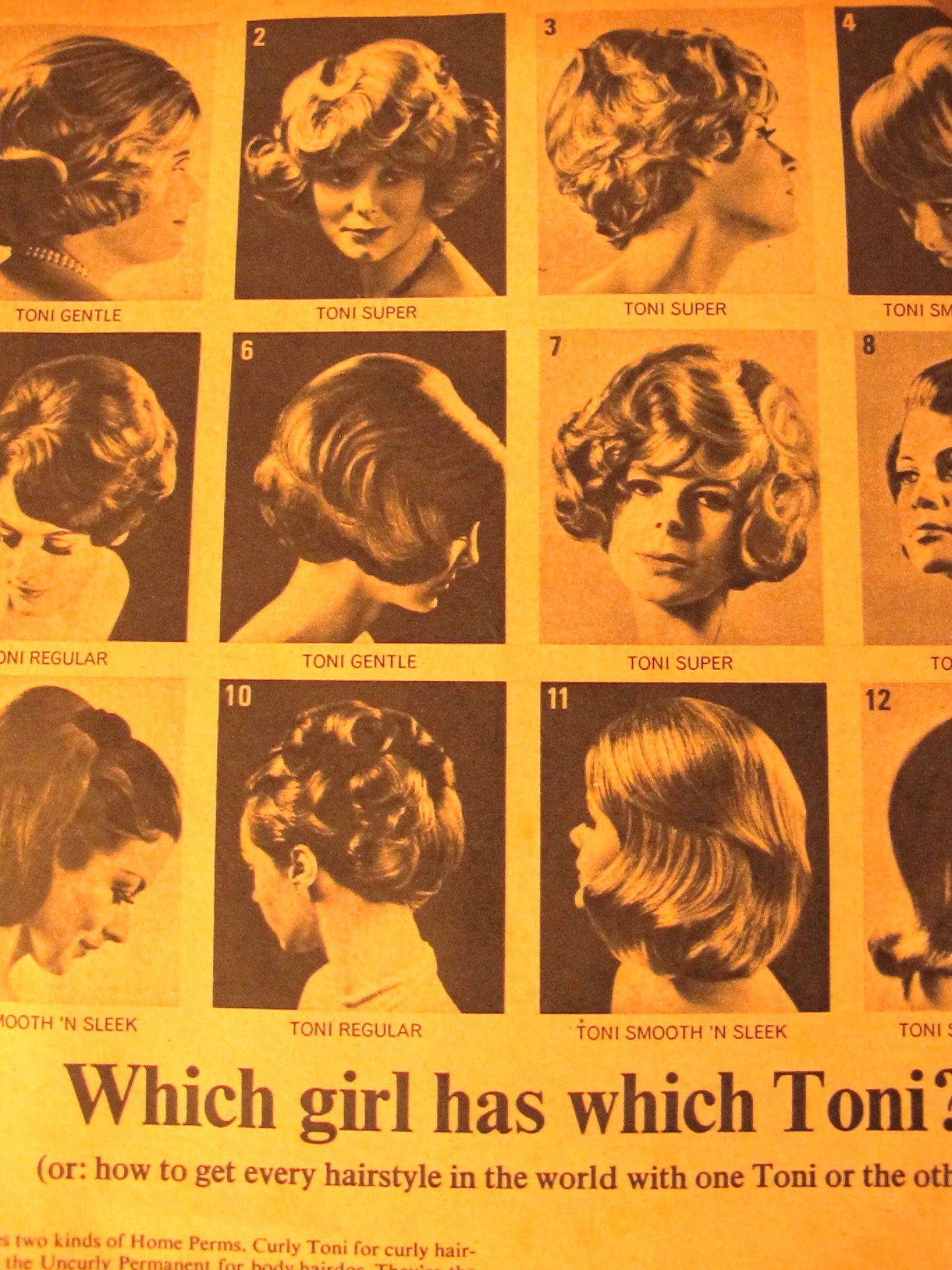
Give or take a few readers’ letters (“Dear Woman’s Realm, To me, one of the sweetest sounds is the pealing of church bells.  Where I live, if the wind blows from the north, I can hear the bells of Gresford Church, famous all over Wales; but if a south-west wind is blowing, I can hear the mellow peal of the bells of Wrexham Parish Church.  Yours Sincerely, Mrs L. P”  Is it a symptom of our twenty-first century, over-entertained minds that I was thinking ‘yes…. And….?’)  and an article about how vegetables are good for you (recipe for ‘potato lettuce’, anyone?) your Woman’s Realm of July 1966 seems to be entirely made up of short stories and incredibly complicated knitting/sewing patterns.  The average 1966 reader would have obviously known her garter from her stocking stitch and been able to knock up a lace cardi between informing herself about Welsh church bells and applying a Toni home perm (see below)   

  Image

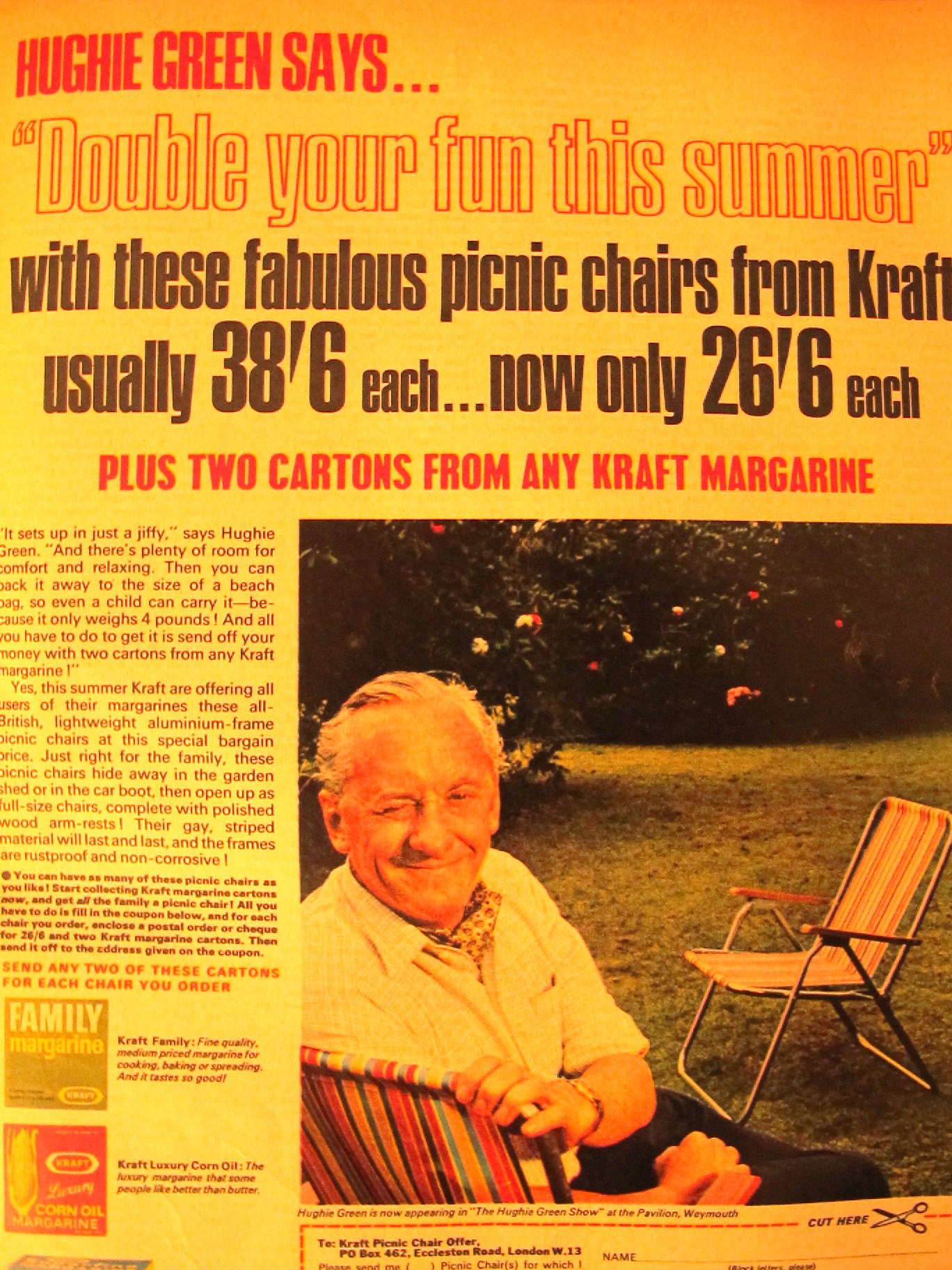
Most interesting, though, are the adverts.  Not a single mascara or anti-wrinkle cream in sight.  OK, so Woman’s Realm of July 23rd 1966 is obviously not aimed at the most fashion conscious of readers but the only concession to looks is an advert for H. Samuel jewellers. ‘Getting engaged? It’s more fun choosing your ring at H. Samuel. You’ve such a fabulous choice?’ Other than a picture of a woman looking quietly pleased with her ‘Heart Solitaire’ (yours for £16) its readers are allowed to go unmolested by the beauty industry.  Weirdest advert was this one for deckchairs, in which Hughie Green exhorts us to save two margarine cartons to get this special deal on ‘fabulous’ pic-nic chairs, which will, he assures us, ‘double our fun’.  Is it me or is it a bit sinister?

  Image 

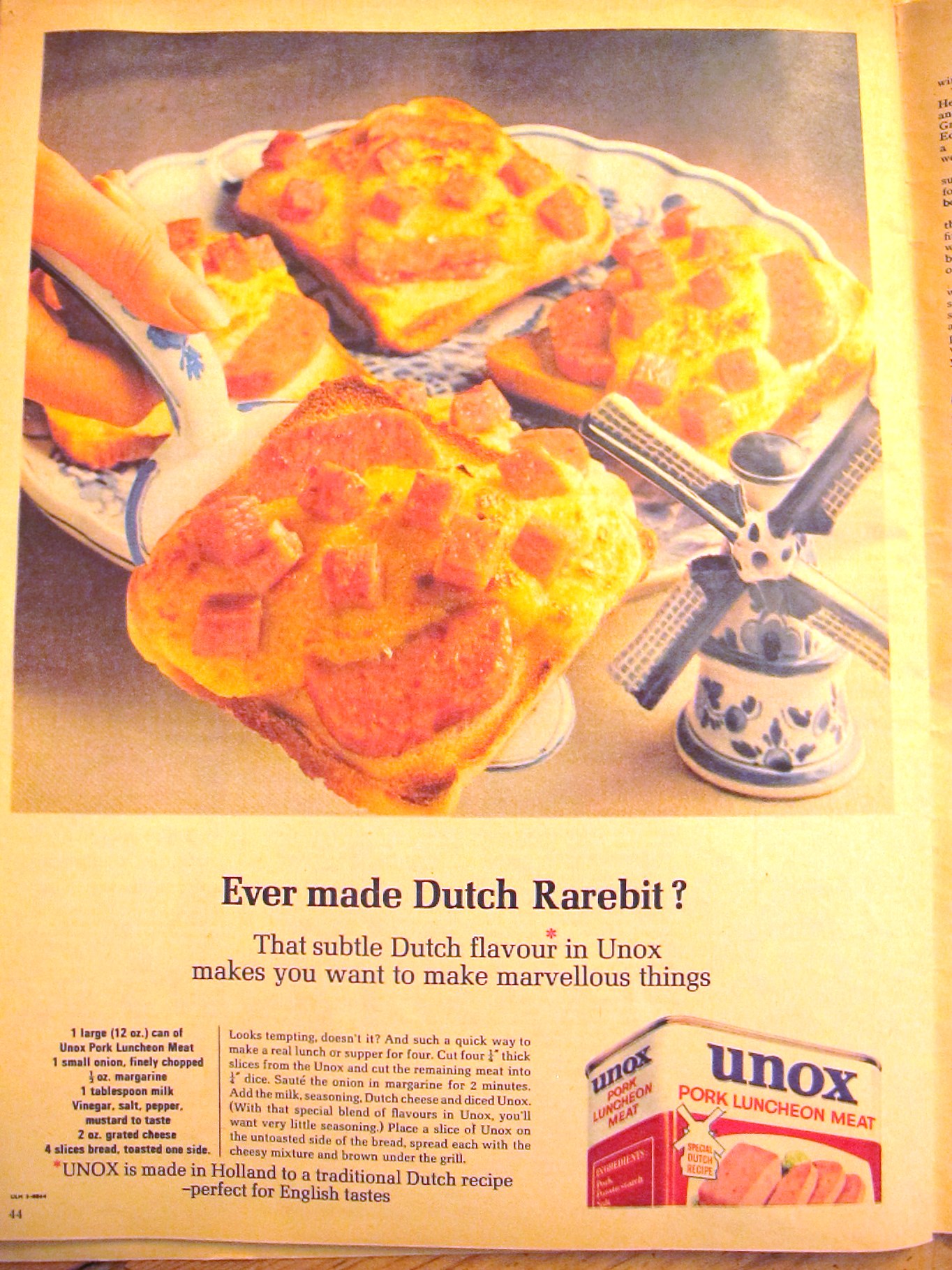
There are loads of adverts for food, particularly of the brightly coloured, severely chemically enhanced, convenience nature.  I suppose, as the 1960s woman’s working horizons were opening more and more while at the same time she was still largely expected to be the mainstay of the family, meals that could be made by opening a tin or rustling up something out of a box were of huge interest.  Shame that so many looked like something that had just been scraped out of a nuclear reactor,  See below.Image

Yum.  Unox. Dutch (as illustrated by pottery windmill.  I wonder if that came free in the tin?)  I would probably not be first in the line for a slab of pork luncheon meat with or without a few pounds of melted cheese on top, but one called ‘Unox’?  Since when has something that sounds like a brand of toilet cleaner supposed to get our taste buds going?  “Sounds tempting, doesn’t it?” Not really.  Still, I suppose your Unox supper frees you up for more time to knit and enjoy ‘doubling your fun’ on your Kraft deckchair, hopefully without Hughie Green grinning across at you.

The last page of Woman’s Realm July 23rd 1966 offers another easy-to-make convenience recipe, this time using a tin of Del Monte Pineapple Dessert Bits.  It makes free use of a raspberry jelly, a can of evaporated milk and the aforementioned Pineapple Dessert Bits.  Unfortunately the page has torn off so I can’t show you the bright pink and luminous result.  I have been looking around on the internet for something similar and found this one for Dole pineapple, possibly a bit earlier than 1966.


Bon appetit.

This Year’s Woman

margaret damer dawson 

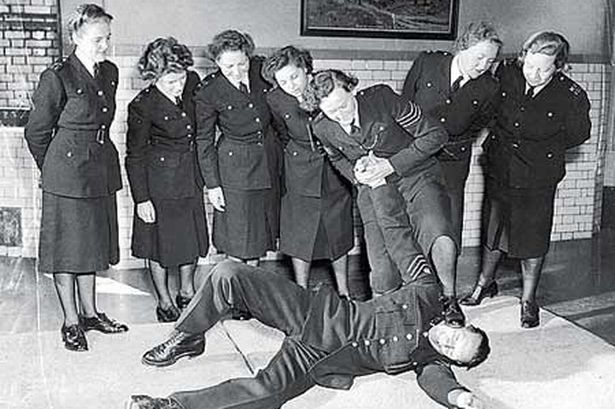
This year I’m looking forward to talking about Margaret Damer Dawson, Britain’s first policewoman, born in Hove in 1863. I first came across her while doing some work in the Old Police Cells Museum in Brighton Town Hall (if you like the kind of tiny museums with jumbles of stuff everywhere run by enthusiasts who’ll talk to you for ages and maybe lock you in a cell if you ask them kindly, you need to go here). Margaret was already a high achiever before the forces of law and order called. She studied at the London School of Music, was a doughty mountaineer and was known for campaigning for animal rights and the anti-vivisection movement (apparently loudly and in a large hat) It seems, she started to think that having female police officers might be a good idea while volunteering at the outbreak of WW1 to meet and greet fleeing Belgian refugees arriving in London and seeing how vulnerable lone women were to the sex trade. She saw her chance when a call went out for volunteers to fill the gaps left by men going to the Front. The last thing anyone expected was for women to apply. Wouldn’t the sight of women running around the mean streets of London after criminals be a laughing stock?  Who was going to keep order in their kitchens?  And wouldn’t they trip over their petticoats?  Margaret joined forces with militant suffragette and journalist Nina Boyle to encourage women to apply nevertheless. The new Women Police Volunteers, soon to become the Women’s Police Service, was born and they were anything but a laughing stock. Many of the first ‘lady policemen’ (feel free to enjoy a fingers down throat moment here) were militant suffragettes who had had plenty of experience of policing already, albeit from the other side, having been arrested and imprisoned for disturbing the peace. Equality was still years away, though. The WPS had no powers of arrest, being deployed more in assisting with children being taken into care, giving a stern talking to women ‘in moral danger’ and educating women in giving evidence in court. They might not have had truncheons but they made the most, apparently, of rolled up umbrellas which they used to move on any disturbers of the peace or just to prod general miscreants. As Commandant, Margaret designed the uniforms herself (note – no flailing petticoat in sight.) After Nina Boyle left due to an ideological disagreement about being asked to police curfews for women, Mary Allen, who had previously been imprisoned for lobbing a brick through a Home Office window became Margaret’s right-hand woman. When the war ended it was expected that the WPS now numbering 357, would ‘go back to their washtubs’ as one male officer said. In 1916 the Daily Express had asked a Scotland Yard official whether women would ever be employed as police constables and had given a resounding no. ‘Not even if the war lasts fifty years.’ Luckily neither of these things happened. Margaret was given an OBE for her work during the war and there is now a blue plaque on her house in Cheyne Row, London.

police-women-pic-sm-image-4-190588670-419826

Is this the man who said the ‘lady policemen’ could now go back to their washtubs?

More info on the history of women police officers here http://www.mirror.co.uk/news/uk-news/some-95-years-of-women-police-officers-419827

A not so guilty pleasure…

lady audley

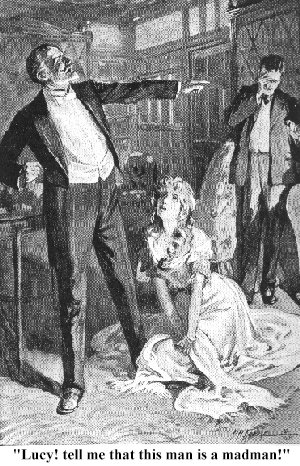
During my walking tours last year I was often asked ‘who’s your favourite Notorious Woman?’  Easy question.  Mary Elizabeth Braddon.  Sometime actress turned novelist, Braddon (1835 – 1915), who once lodged in Brighton’s New Road with her mother, managed to write over 80 novels in her lifetime, including the spectacular ‘Lady Audley’s Secret’, which rocked Victorian readers with its disturbing portrayal of a ruthlessly ambitious woman who will stop at nothing – bigamy, deserting her child, pushing an inconvenient husband down a well – to get on in life.  In 1862 when the novel was published (Braddon was only 27 at the time and had rattled off the final third of the book in a fortnight), the home and the woman’s peaceful and stable presence in it were sacrosanct to the Victorians.  Scary, nasty things were only supposed to lurk in haunted castles, windswept Gothic mansions, or abroad.  The thought that a woman – a wife and mother at that – could generate such horrific acts and murderous chaos was shocking indeed.  Lady Audley is presented unapologetically as just a ‘bad girl’ and – worryingly for the Victorians – there is no attempt to engage our sympathy for her by heartfelt descriptions of a sad childhood to blame it on.  Braddon was a pioneer of the Victorian ‘Sensation’ novel that specialised in people falling off cliffs, houses being set fire to, hauntings and general Oh My God moments.  The titles of some of her novels practically come with their own drumroll…. ‘To the Bitter End’, ‘Taken At the Flood’, ‘Dead Love Has Chains’.  I’m not an expert on Braddon’s life story but a few online accounts I have read  (a good one here – http://www.theguardian.com/books/2003/aug/09/featuresreviews.guardianreview14)suggest that, for her, life imitated art, if not the other way round.  ‘Crooked solicitor father’, ‘struck up a friendship in a graveyard with a man known as the ‘Don Juan of Coventry’,  ‘struck up a friendship in Yorkshire with a shadowy figure called John Gilby,’, ‘lived in sin with a married publisher’, ‘had a career on stage with the pseudonym Mary Seyton’ (was the resemblance to ‘Satan’ deliberate?), ‘mother of many illegitimate children’ are sentences that crop up in enough accounts of her story to suggest she was familiar with the boundaries she stretched in her works.  What really impresses me about Mary Elizabeth Braddon, though, is just how good a writer she was.  When I set about reading Lady Audley’s Secret last year for research, I expected something either longwinded in the Victorian why-use-three-words-when-fifty-five-will-do’ way, or, taking account of the subject matter, a breathless and hysterical melodrama.  What I didn’t expect was a perfectly polished, immaculately plotted work that would have me sailing past my bus-stop, arriving late for work and once cancelling a perfectly good evening out with friends just so I could get to the end.  How did she do it?  Of course she was remorselessly criticised and looked down on – much as chick lit authors are these days – for not being clever or literary enough, for catering too shamelessly for the masses.  Now, a hundred and fifty years later, where are these cleverer and more literary contemporaries of hers?  A great deal of them are forgotten, while Mary Elizabeth Braddon’s Lady Audley is still going strong in any number of stage plays, film versions and, of course, the book that’s never been out of print.  Did these criticisms upset her?  Did she have the time to let them upset her?  Hopefully she just shrugged her shoulders and laughed all the way to the bank.

Mary Elizabeth Braddon

(Incidentally, Braddon may have taken some inspiration from the real life Constance Kent murder case which occurred in 1860 and similarly shocked Victorian society with its young female murderer who was accused of disposing of the body of her young step-brother down a well.  This has a Brighton connection, which I will be exploring in a future post)